
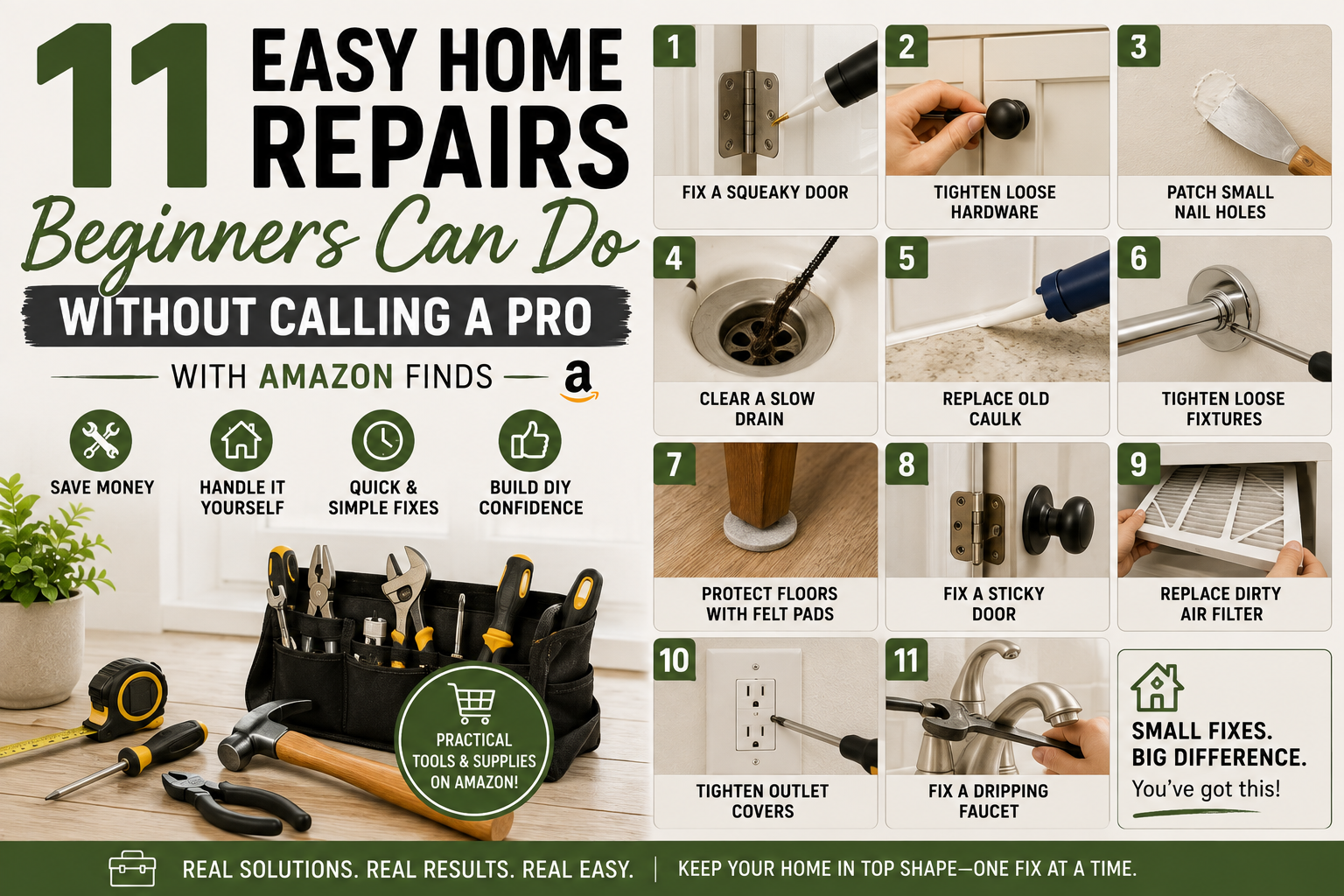
11 Easy Home Repairs Beginners Can Do Without Calling a Pro — With Amazon Finds
Small problems around the house have a way of piling up.
A door squeaks. A cabinet handle gets loose. A tiny hole appears in the wall. The bathroom caulk starts looking rough. A drain gets slower. None of these problems feels serious enough to call a professional right away, but together they can make a home feel neglected.
The good news is that many basic repairs are more manageable than they look.
These easy home repairs for beginners use simple tools, inexpensive supplies, and basic techniques that most homeowners or renters can learn. I’ve also included practical Amazon product ideas for each repair so you can easily find the tools or supplies you need.
The goal is not to tackle complicated electrical, plumbing, structural, or safety-related repairs yourself. It’s to handle the small fixes that make everyday life easier and help keep minor problems from becoming bigger ones.
If a repair involves exposed wiring, major leaks, gas lines, structural damage, or anything you are unsure about, call a qualified professional.
Easy Home Repairs Beginners Can Actually Handle
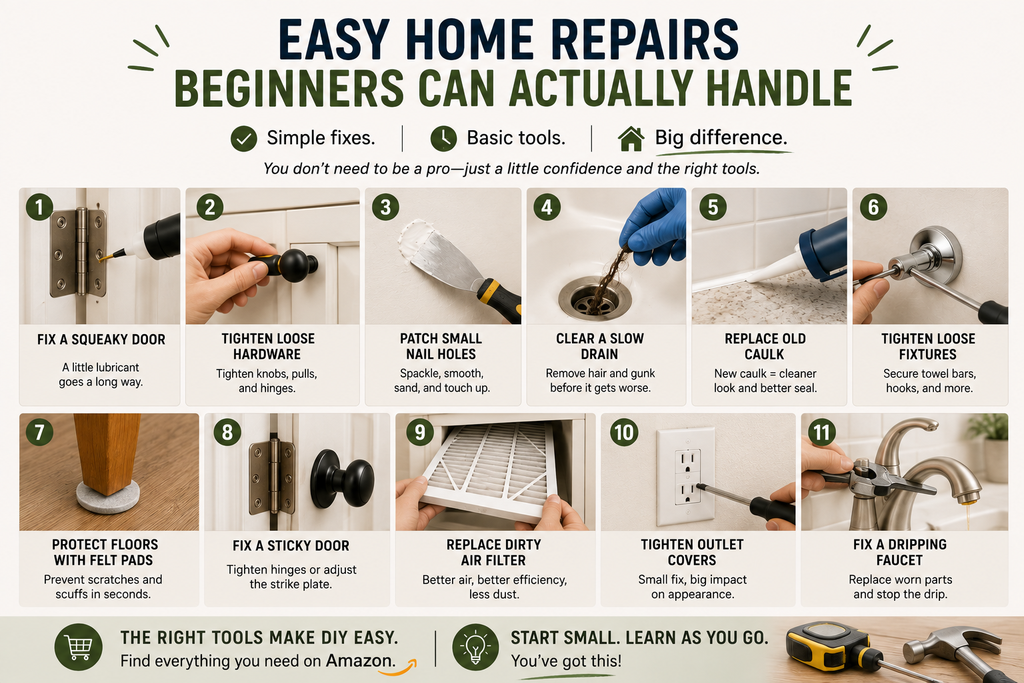
You don’t need a garage full of expensive tools to take care of basic home maintenance.
A screwdriver set, adjustable wrench, utility knife, small level, tape measure, pliers, caulk gun, and a few inexpensive supplies can handle a surprising number of everyday fixes.
Start with small jobs. Read the product instructions. Take your time. And stop if a repair becomes more complicated than expected.
Table of Contents
1. Fix a Squeaky Door
A squeaky door is annoying, but it is usually one of the easiest home repairs to try.
In many cases, the sound comes from dry or slightly dirty hinges.
Start by checking whether the hinge screws are loose. Tighten them gently with a screwdriver.
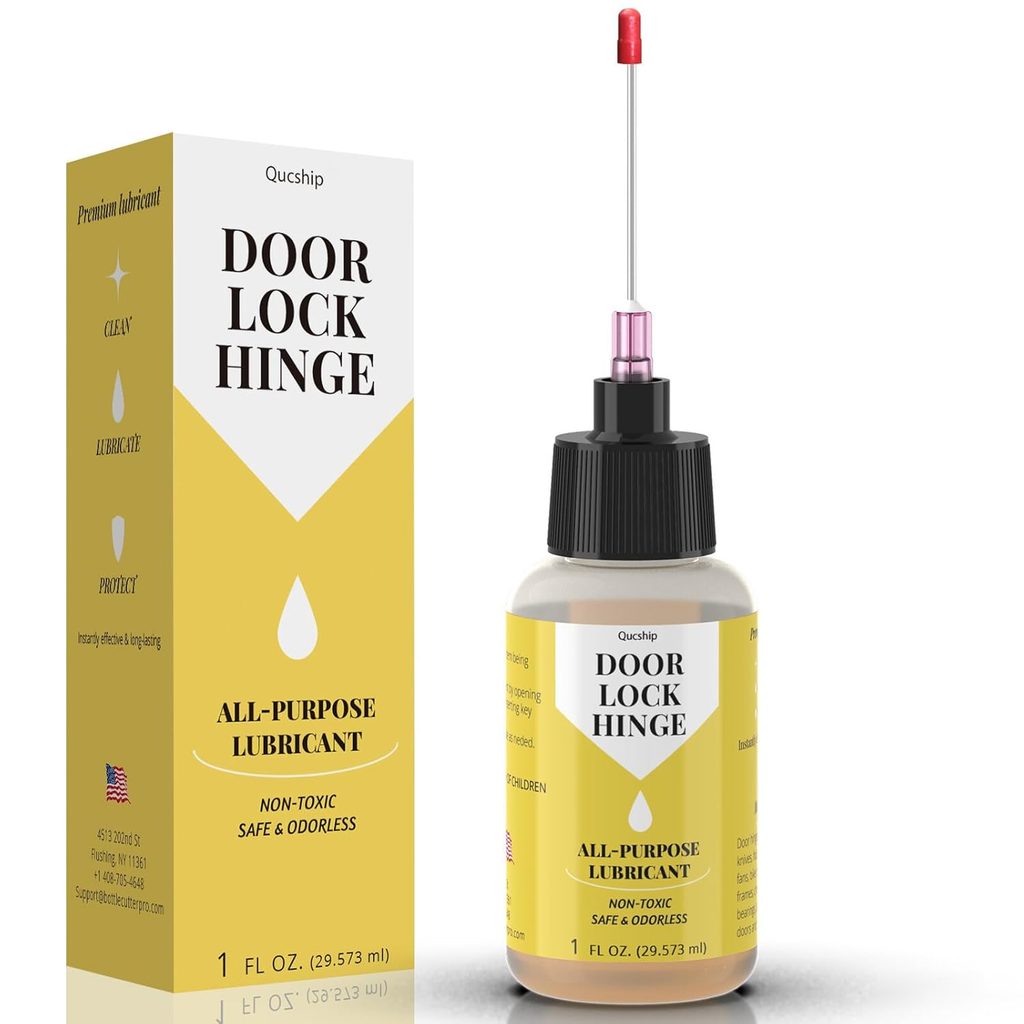
If the screws are already secure, apply a small amount of appropriate hinge lubricant to the hinge pin. Open and close the door several times to help distribute it.
Why it works: reducing friction between the moving metal parts can stop the squeak almost immediately.
Amazon find to look for:
Door hinge lubricant, silicone lubricant spray, precision household lubricant
Useful tool:
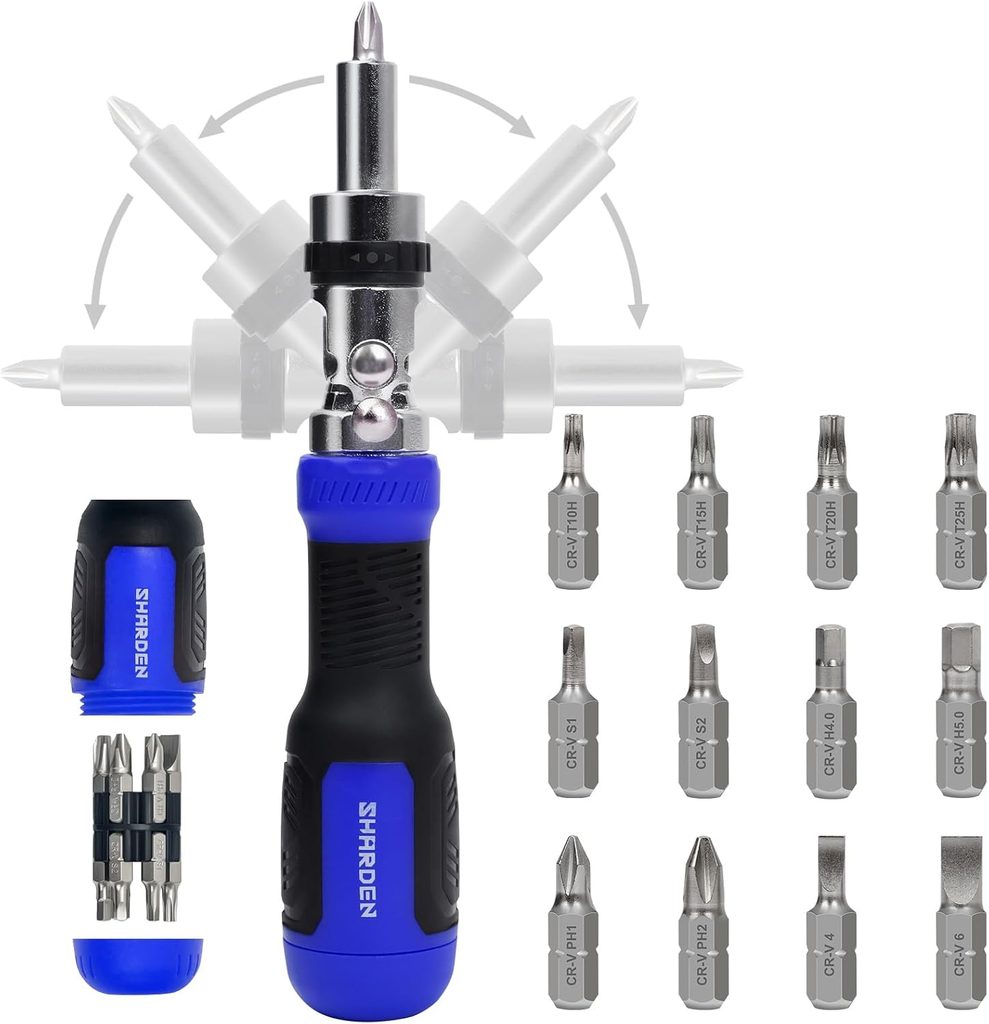
Multi-bit screwdriver set
Best for:
Bedroom doors, bathroom doors, closet doors, interior hinges
Small tip:
Use only a small amount of lubricant and wipe away any excess so it doesn’t drip onto the floor.
2. Tighten Loose Cabinet Knobs and Hardware
Cabinet knobs, drawer pulls, handles, and hinges gradually loosen with everyday use.
Fortunately, fixing them usually takes less than a minute.
Open the cabinet or drawer, locate the screw on the inside, and tighten it while holding the handle in the correct position.
For hinges, check each screw and tighten only until secure.
Why it works: small hardware problems often feel much worse than they really are.
Amazon find to look for:
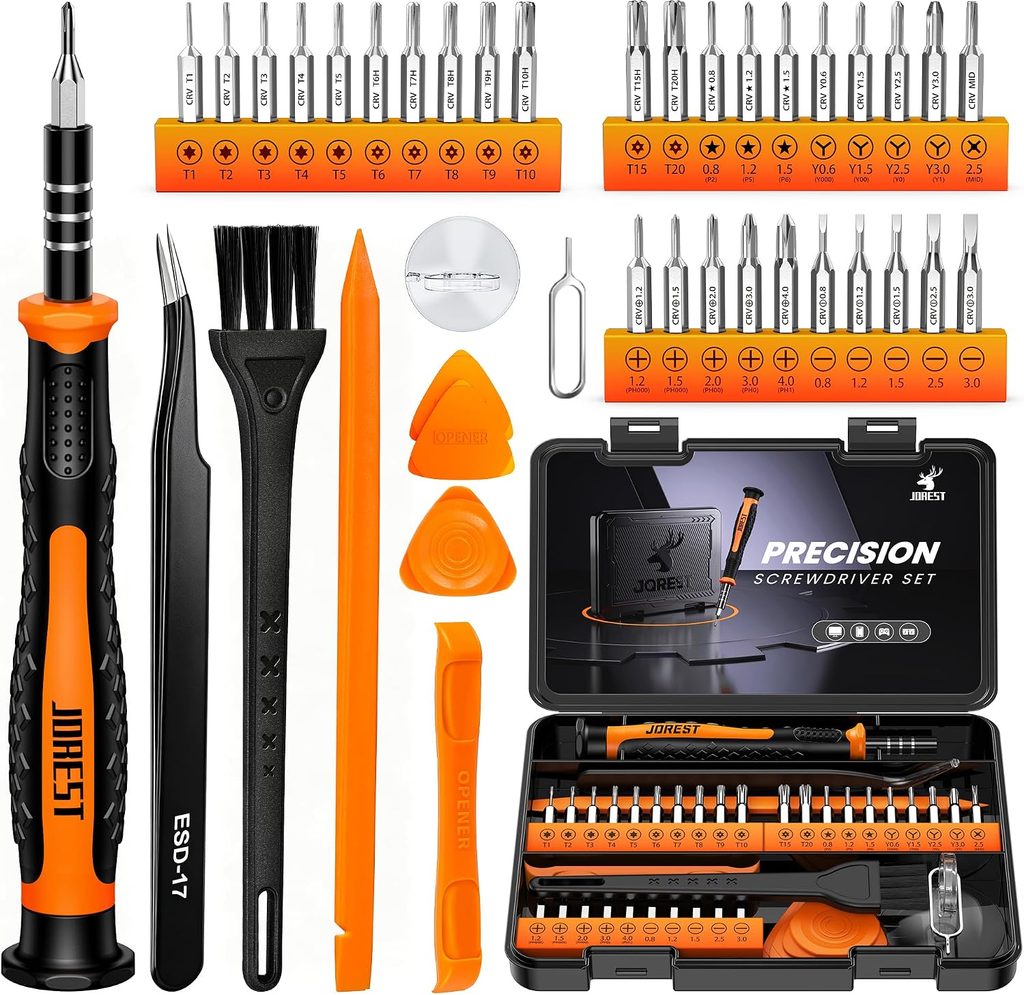
Precision screwdriver set, multi-bit screwdriver kit, cabinet hardware screws
Useful tool:
Magnetic screwdriver set
Best for:
Kitchen cabinets, bathroom vanities, dresser drawers, closets
Small tip:
Don’t overtighten screws. You can strip the screw head or damage particleboard and softer cabinet materials.
3. Patch Small Nail Holes in Drywall
Small holes left by nails, screws, or old wall decor are usually easy to repair.
For tiny holes, apply a small amount of lightweight spackling compound with a putty knife.
Smooth the surface and allow it to dry according to the product directions.
Once dry, lightly sand it and touch up the paint if needed.
Why it works: lightweight spackle is designed for simple surface repairs and dries much faster than larger drywall compounds.
Amazon find to look for:
Lightweight spackling paste, drywall patch kit, small putty knife set

Useful supplies:
Fine-grit sanding sponge, touch-up paint brush
Best for:
Nail holes, picture frame holes, tiny drywall dents
Small tip:
Use less compound than you think you need. A thin repair is easier to sand smooth.
4. Clear a Slow Bathroom Drain
Hair and soap buildup are common reasons bathroom sinks and showers start draining slowly.
Before reaching for harsh chemical drain cleaners, try removing the buildup mechanically.
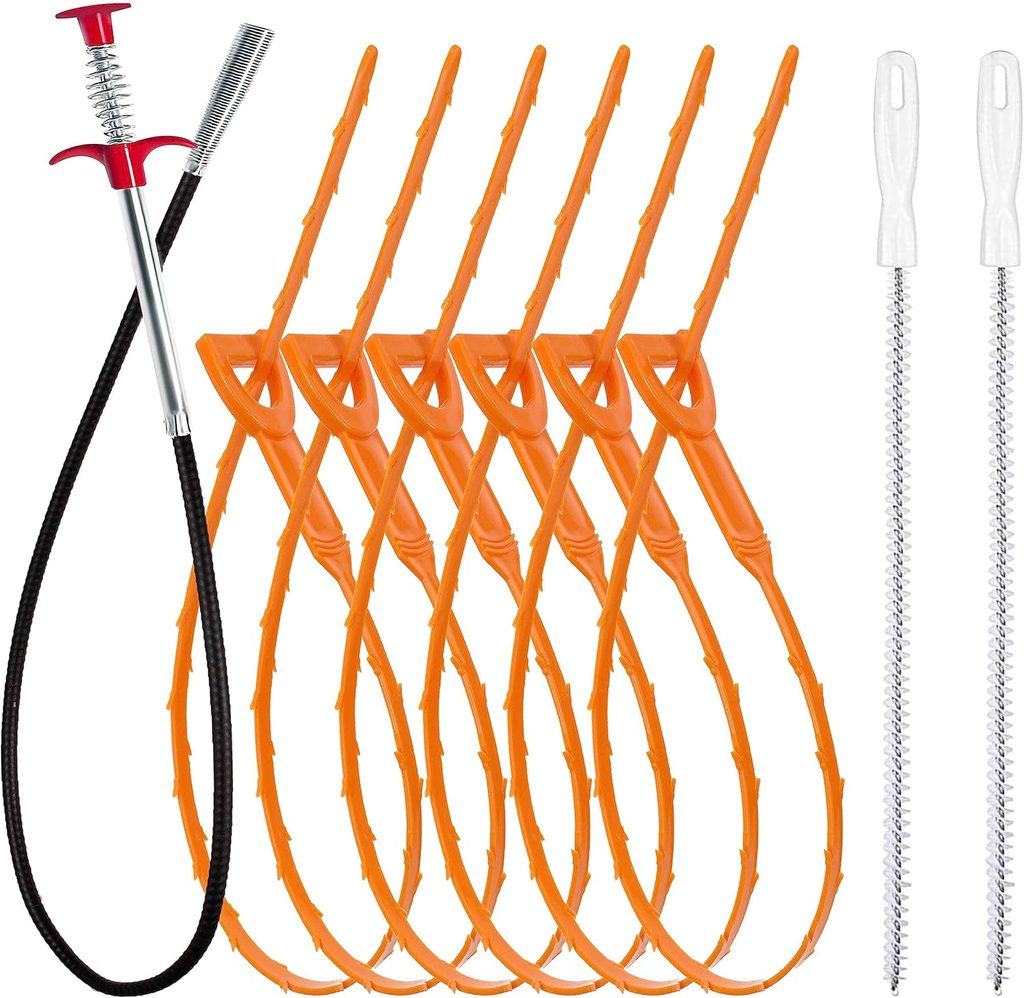
A simple plastic drain snake or flexible hair-removal tool can often pull out surprising amounts of hair and debris.
Why it works: removing the blockage directly is often more effective than trying to dissolve it.
Amazon find to look for:
Plastic drain snake tool, flexible hair clog remover, drain cleaning tool set
Useful extra:
Disposable cleaning gloves
Best for:
Bathroom sinks, shower drains, bathtub drains
Small tip:
Never mix different drain-cleaning chemicals. If the drain remains clogged or backs up repeatedly, it may be time to call a plumber.
5. Replace Old or Cracked Caulk
Caulk around sinks, tubs, backsplashes, and showers eventually cracks, shrinks, or becomes discolored.
Replacing a small section can make the whole area look cleaner.
Remove the old material carefully with a caulk removal tool or utility scraper.
Clean and dry the surface thoroughly, then apply fresh caulk following the manufacturer’s directions.
Why it works: new caulk improves appearance while helping keep water out of gaps.
Amazon find to look for:
Bathroom caulk, kitchen and bath silicone sealant, caulk removal tool kit

Useful tool:
Dripless caulk gun or squeeze-tube applicator
Best for:
Bathtubs, sinks, countertops, backsplashes, showers
Small tip:
Choose a caulk specifically rated for the area you are repairing. Bathrooms and other wet areas need moisture-resistant products.
6. Tighten Loose Bathroom Fixtures
Towel bars, toilet paper holders, robe hooks, and other small fixtures can loosen over time.
Sometimes the fix is simply tightening a visible set screw or mounting screw.
Look underneath or behind the fixture for a small screw.
Why it works: many bathroom fixtures attach to a wall bracket with only one or two small screws.
Amazon find to look for:
Hex key set, precision screwdriver set, replacement wall anchors
Useful tool:
Mini Allen wrench set
Best for:
Towel bars, toilet paper holders, robe hooks, lightweight wall fixtures
Small tip:
If the fixture keeps coming loose because the wall anchor is damaged, don’t keep tightening it. Replace the anchor with one appropriate for your wall type and the fixture’s weight.
7. Protect Scratched Floors With Felt Pads
Not every repair requires fixing existing damage.
Sometimes prevention is the better repair.
Furniture legs can leave scratches, scuffs, or marks on wood, laminate, vinyl, and other hard floors.
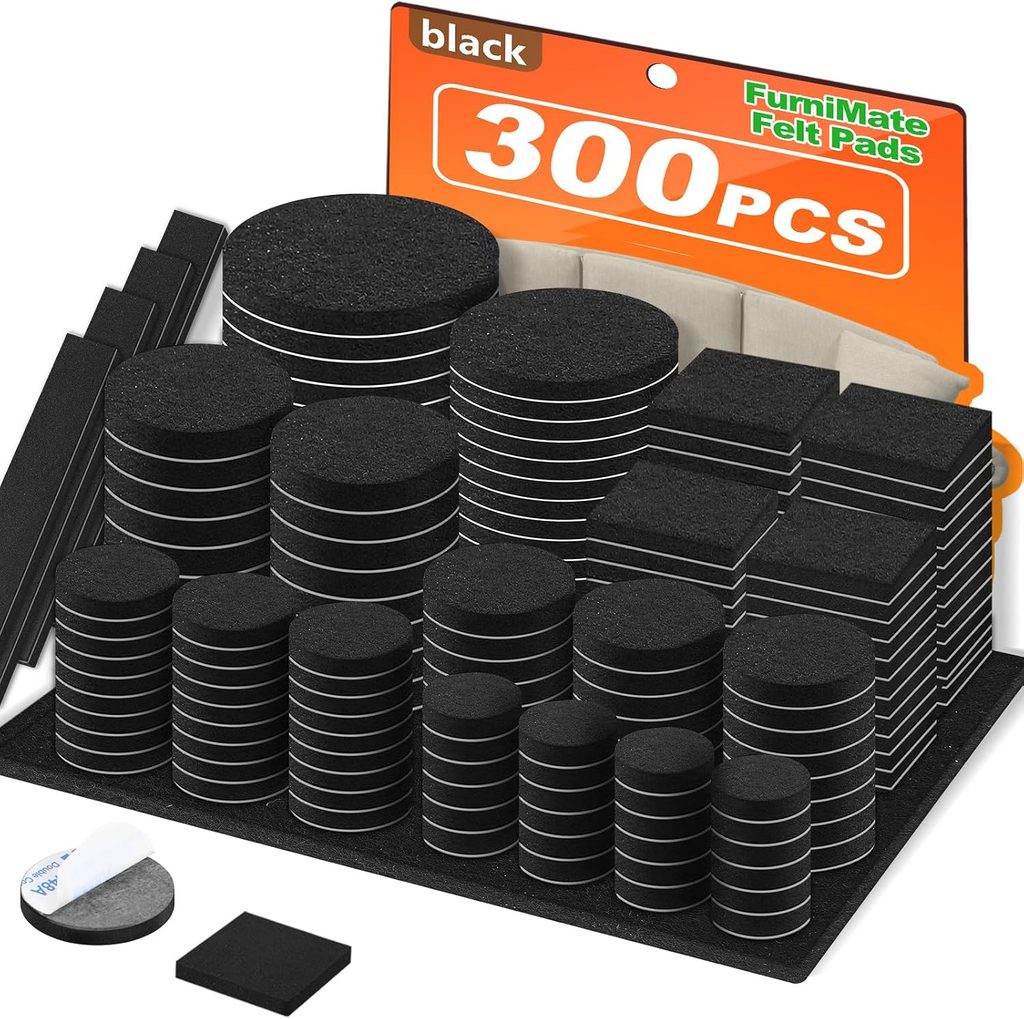
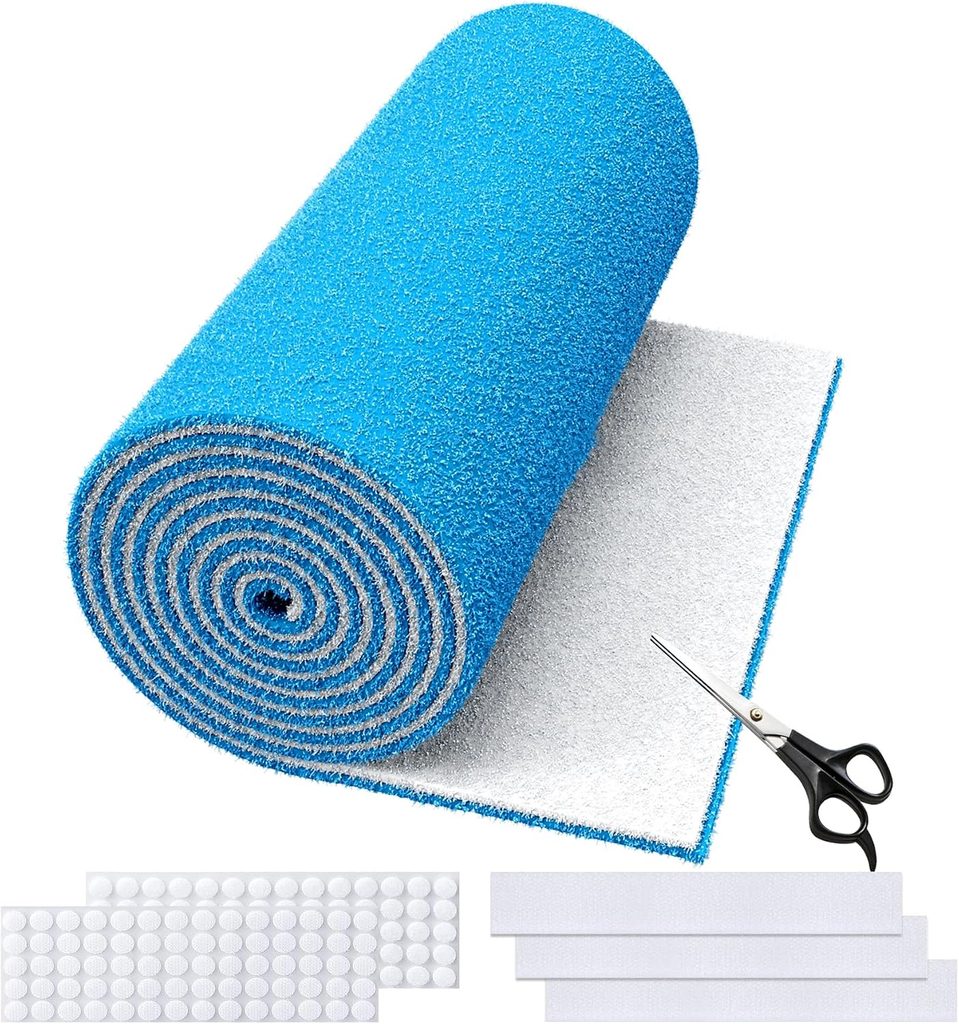
Adding felt pads underneath chairs, tables, stools, and other furniture reduces friction.
Why it works: the felt creates a softer surface between furniture and flooring.
Amazon find to look for:
Self-adhesive furniture felt pads, furniture leg protectors, felt pad assortment
Best for:
Dining chairs, sofas, coffee tables, stools, beds
Small tip:
Clean the bottom of each furniture leg before attaching adhesive pads. They stick much better to a clean surface.
8. Fix a Door That Sticks or Catches
A door that doesn’t close smoothly may have loose hinges or a latch that no longer lines up correctly.
Start with the simplest possibility: tighten the hinge screws.
Then slowly close the door and watch where it catches.
If the latch and strike plate are slightly misaligned, tightening or carefully adjusting the plate may help.
Why it works: doors can shift slightly over time, especially in older homes.
Amazon find to look for:
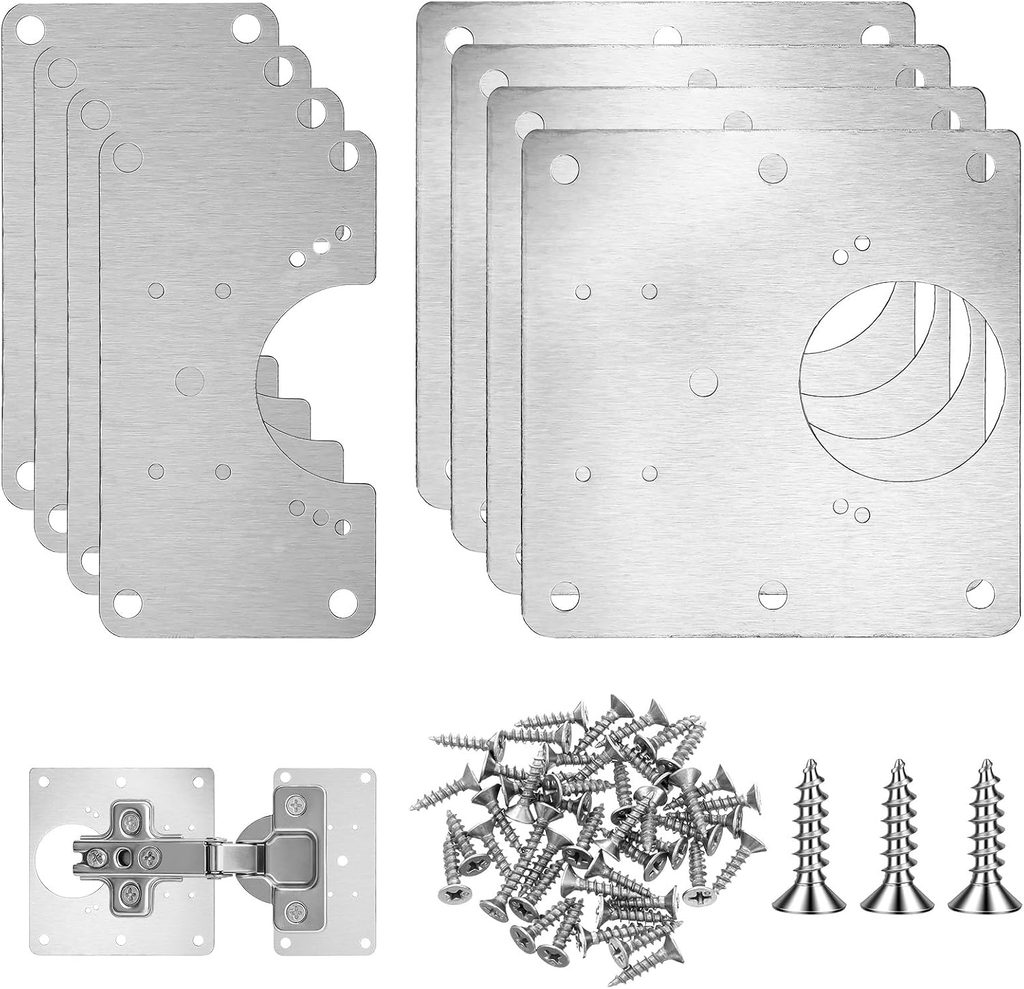
Door hinge repair kit, screwdriver set, replacement strike plate
Useful tool:
Small level
Best for:
Interior doors, closet doors, older homes
Small tip:
If the door suddenly starts sticking badly, especially along with visible wall cracks or movement, don’t assume it’s just the hardware. More significant movement should be inspected.
9. Replace a Dirty HVAC Air Filter
Changing an HVAC filter is one of the simplest maintenance jobs that beginners can handle.
First, turn the system off if recommended by your HVAC manufacturer.
Remove the existing filter and note its exact dimensions and airflow direction.
Install the replacement with the airflow arrow facing the correct direction.
Why it works: a clean filter helps keep dust and debris from building up in the system and can support proper airflow.
Amazon find to look for:
Replacement HVAC air filter in your exact size
Before buying:
Check the dimensions printed on your existing filter.
Best for:
Homes and apartments with replaceable HVAC filters
Small tip:
Don’t guess the filter size. Buy the exact dimensions specified for your system.
10. Tighten Loose Outlet and Switch Covers
Loose wall plates around switches and electrical outlets can make a room feel unfinished.
If the only problem is the decorative cover plate itself, you can usually tighten the visible screw gently with a screwdriver.
Why it works: the cover plate is separate from the electrical wiring behind it.
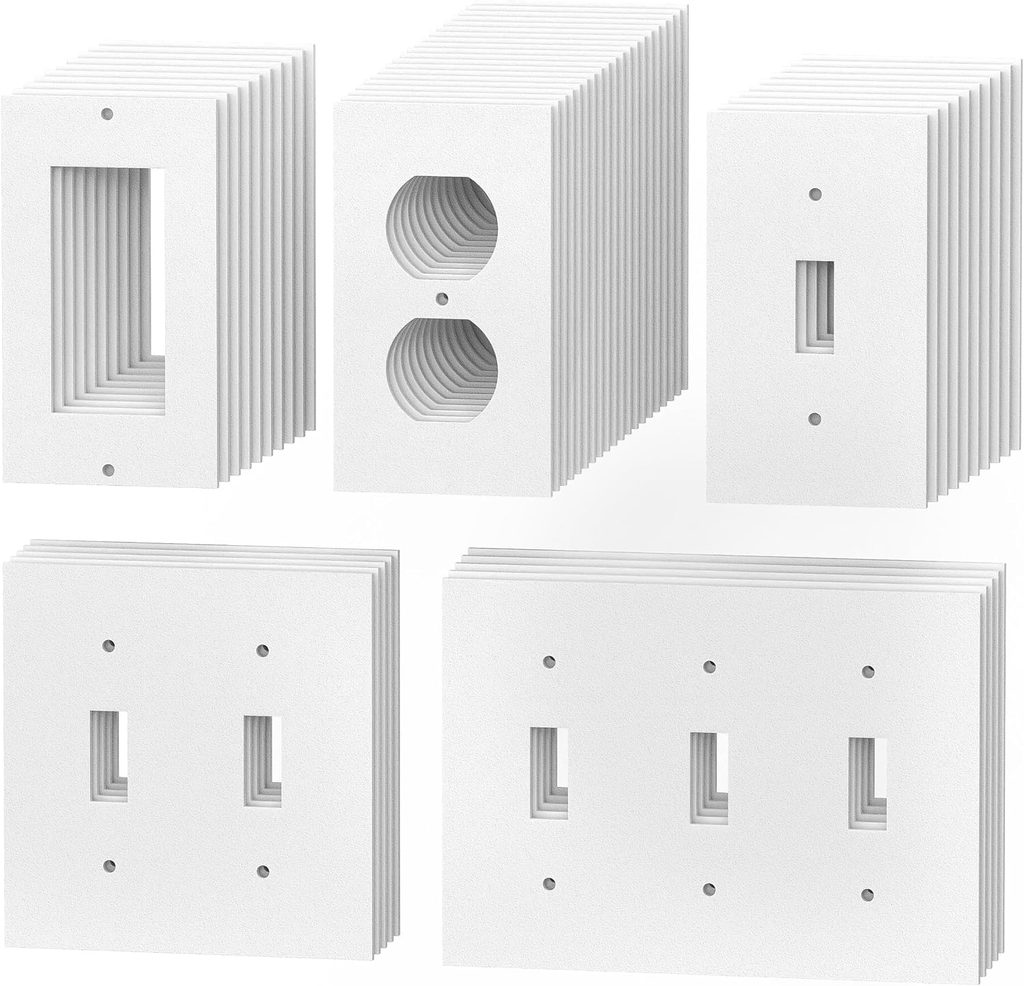
Amazon find to look for:
Insulated screwdriver set, replacement outlet wall plates, replacement switch plates
Best for:
Loose or cracked decorative cover plates
Important:
Do not remove or work on the outlet itself, exposed wiring, or electrical connections unless you are qualified to do so.
If an outlet is loose inside the wall, sparks, feels hot, smells burnt, or behaves unusually, contact an electrician.
11. Handle a Minor Dripping Faucet
A faucet that drips occasionally may have a worn washer, cartridge, O-ring, or another small internal part.
Before attempting a repair, identify the faucet type and find the manufacturer’s instructions if possible.
Always shut off the water supply before disassembling a faucet.
In some faucets, replacing a simple cartridge or washer can solve the problem.
Why it works: small seals inside faucets wear out over time.
Amazon find to look for:
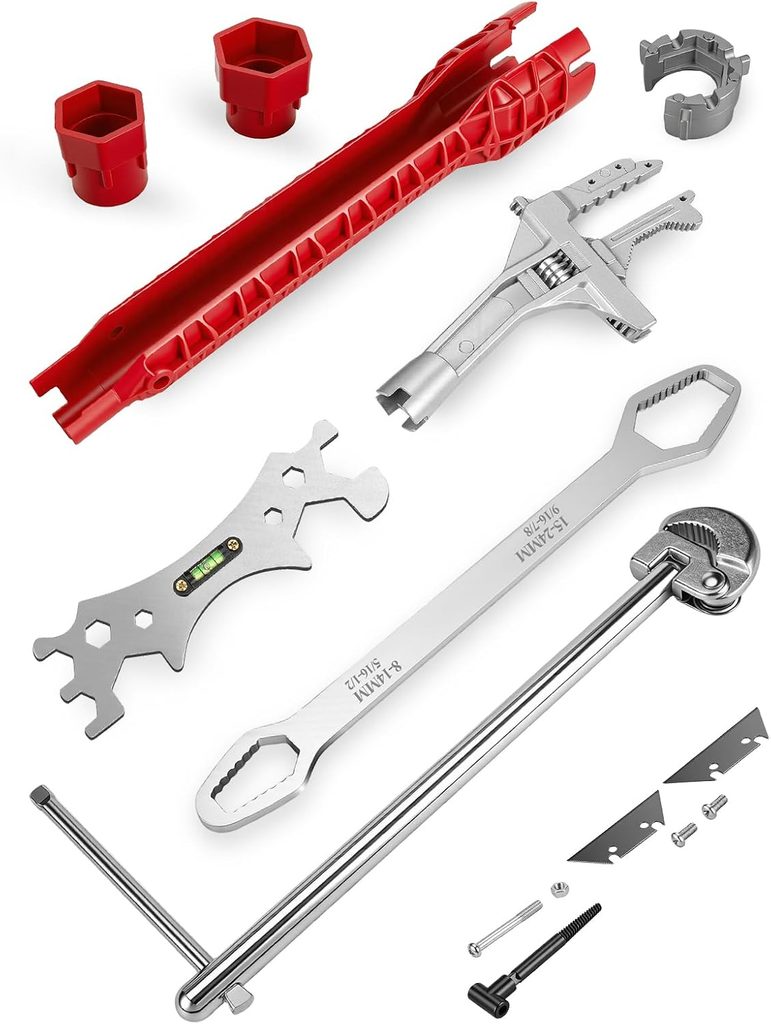
Adjustable wrench, faucet repair kit, replacement faucet cartridge, plumber’s tape
Useful tool:
Tongue-and-groove pliers
Best for:
Simple faucet repairs where the correct replacement part is known
Small tip:
Take a photo before removing parts. It can make reassembly much easier.
If the leak comes from plumbing inside the wall, shutoff valves, pipes, or an unknown source, call a plumber.
Basic Tool Kit for Beginner Home Repairs
You don’t need to buy every tool at once.
A simple beginner kit can cover many of the repairs in this article.
Amazon finds to look for:
1. Multi-bit screwdriver set
Useful for handles, hinges, wall plates, fixtures, and furniture.
2. Adjustable wrench
Useful for basic plumbing hardware and tightening nuts.
3. Needle-nose and standard pliers
Helpful for gripping, pulling, and small household jobs.
4. Tape measure
Useful for repairs, hanging items, replacement parts, and furniture.
5. Small bubble level
Helpful for shelves, fixtures, wall decor, and doors.
6. Utility knife
Useful for caulk removal, packaging, and basic DIY jobs.
7. Putty knife set
Useful for wall patches and scraping.
8. Caulk gun
Helpful for larger sealing jobs.
9. Safety glasses
Good to have whenever you are drilling, scraping, sanding, or working overhead.
10. Small household tool bag or toolbox
Keeps everything together so you can actually find the tools when something breaks.
Common Beginner Home Repair Mistakes to Avoid

Starting Before You Understand the Problem
Don’t immediately take something apart.
Spend a minute figuring out what is actually loose, clogged, cracked, or misaligned first.
Buying Tools Before Checking What You Already Have
You probably don’t need a specialized tool for every repair.
A screwdriver, wrench, pliers, level, and utility knife cover a lot of basic jobs.
Overtightening Screws
Tighter is not always better.
Overtightening can strip screws, crack plastic parts, damage drywall anchors, and weaken particleboard.
Ignoring Manufacturer Instructions
Replacement filters, faucet cartridges, caulk, anchors, and other supplies can have specific installation requirements.
Read the directions before starting.
Using the Wrong Product for the Surface
Bathroom caulk, drywall filler, lubricants, anchors, and cleaners are not all interchangeable.
Check that the product is suitable for the material and location.
Turning a Small Job Into a Big One
If you remove something and discover damaged wiring, leaking pipes, mold, structural damage, or another serious problem, stop.
A beginner DIY project should stay a beginner DIY project.
Quick Beginner Home Repair Checklist
Before starting a repair:
- Identify the actual problem
- Check whether the repair is safe for DIY
- Read product or manufacturer instructions
- Gather tools before starting
- Protect floors and surrounding surfaces
- Shut off water when working on plumbing fixtures
- Avoid exposed electrical wiring
- Take photos before disassembling anything
- Keep screws and small parts together
- Don’t overtighten hardware
- Test the repair before cleaning up
- Stop if the job becomes more complicated than expected
Conclusion
You don’t have to call a professional for every squeak, loose handle, nail hole, slow drain, or worn piece of caulk.
Many easy home repairs for beginners can be handled with a few basic tools, inexpensive supplies, and a little patience.
Start small.
Tighten the loose handle. Fix the squeaky hinge. Patch the wall. Replace the dirty filter. Add felt pads before the floor gets scratched.
The more small repairs you learn to handle, the easier it becomes to keep your home comfortable and well maintained.
And when a project crosses the line from a simple fix into plumbing, electrical, structural, or safety-related work, knowing when to call a professional is part of good DIY judgment too.
For more DIY Tips click here.