15 Home Cleaning Finds and Household Hacks Worth Trying
A good cleaning product doesn’t have to be complicated to earn a permanent spot in your cabinet. Some of the most useful home cleaning finds are simple tools and everyday supplies that can solve several annoying household problems.
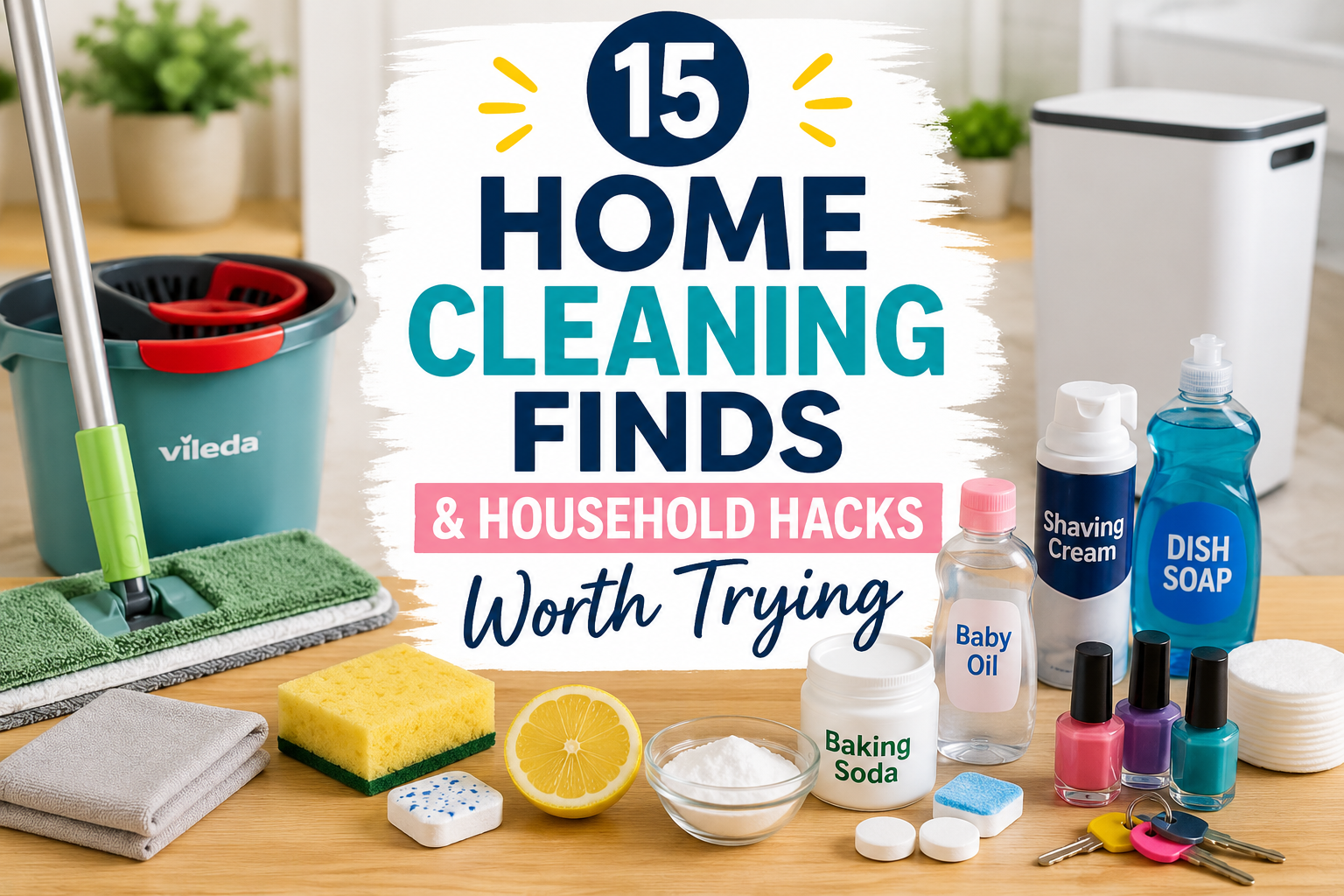
This collection covers everything from cleaning walls and stainless-steel appliances to treating clothing stains, deodorizing bath mats, and organizing similar-looking keys.
Not every hack will be appropriate for every surface or fabric, so always check manufacturer instructions and test unfamiliar cleaning methods in an inconspicuous area first.
1. Mop Bucket and Cleaning System

A mop bucket is one of the larger cleaning tools featured in this collection.
A mop-and-bucket system is most useful for homes with a lot of hard flooring and for anyone who wants a dedicated setup for routine floor cleaning. Depending on the model, features such as wringing or spinning can also make handling a wet mop more convenient.
2. Newspaper or Disposable Shelf-Lining Paper
Lining the tops of kitchen cabinets or other hard-to-reach shelving with paper can make greasy dust easier to manage. Instead of scrubbing the entire surface every time, the disposable liner can simply be replaced when it becomes dirty.
Newspaper works for the basic concept, although clean disposable paper or purpose-made shelf-lining material may be more convenient if you do not regularly have newspapers around the house.
This idea is particularly useful above kitchen cabinets, where airborne cooking residue tends to settle. Keep any paper well away from flames, hot fixtures, and other heat sources.
3. Non-Scratch Cleaning Sponge
A basic cleaning sponge is one of those inexpensive household items that earns its keep in kitchens and bathrooms alike.
The sponge used here is paired with a dishwasher tablet for oven cleaning. When choosing a sponge for appliance interiors, look for something suitable for the surface you plan to clean. An abrasive scrubber that works well on one material could scratch another.
Having several sponges dedicated to different jobs can also help prevent cross-contamination between food-preparation areas, bathrooms, and heavier cleaning projects.
4. Dishwasher Tablets for More Than the Dishwasher
Dishwasher tablets contain concentrated cleaning ingredients designed to tackle stubborn food residue. That is why they sometimes appear in unconventional cleaning hacks.
Here, a dishwasher tablet is combined with a wet sponge to work on a dirty oven interior. Before trying this approach, check the instructions for both your oven and the detergent product. Work on a fully cooled oven and rinse away cleaning residue thoroughly.
Dishwasher detergent can irritate skin and eyes, so gloves are a sensible precaution. Never combine it with bleach, ammonia, acids, or other household cleaners.
5. Microfiber Mop: One of the Most Versatile Amazon Home Cleaning Finds
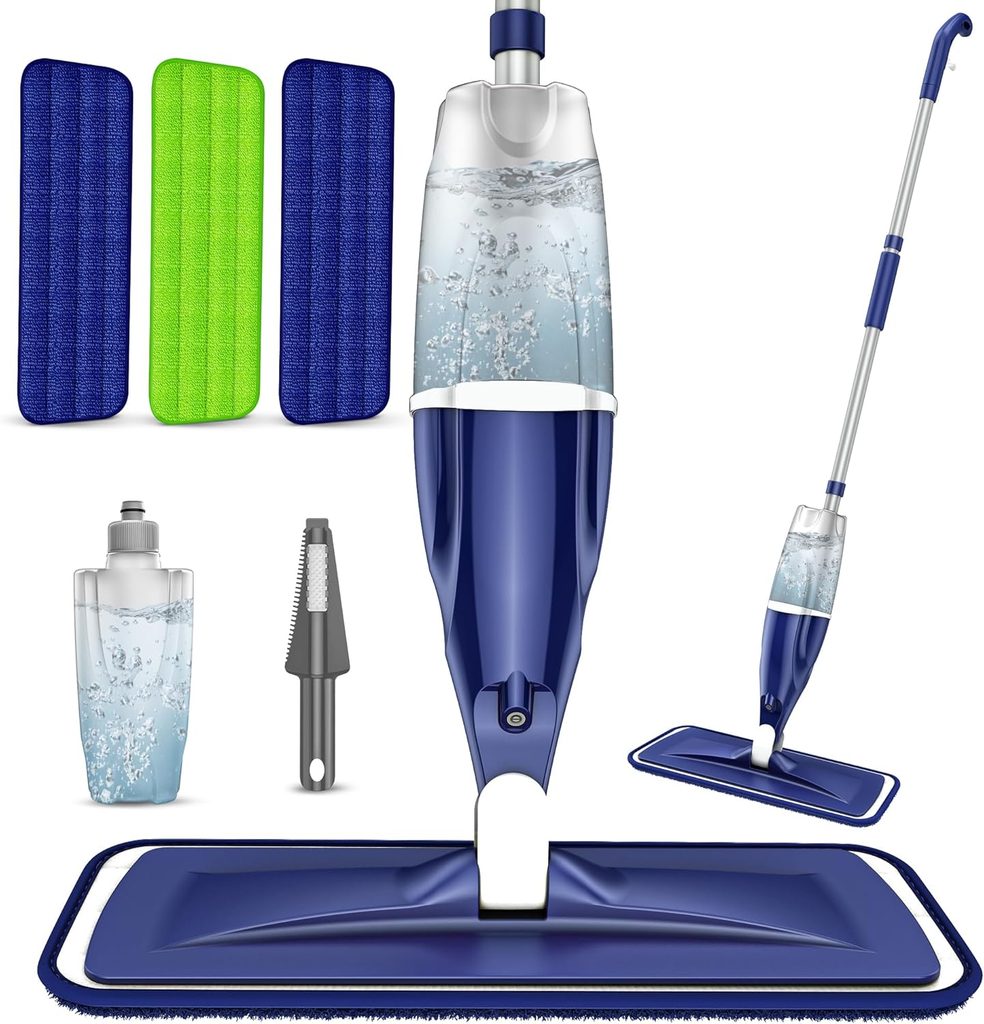
A flat microfiber mop is useful well beyond floors. Its long handle and broad cleaning head can make it easier to reach walls and baseboards without spending the entire cleaning session crouched down.
For renters, parents, or anyone tackling a large room, a washable microfiber head can also be a practical alternative to repeatedly using disposable wipes.
Check that your wall paint tolerates damp cleaning, and avoid soaking painted drywall.
6. Baby Oil for Polishing Stainless Steel
Baby oil is commonly sold as a skin-care product, but a very small amount can also be used as a finishing polish on some stainless-steel surfaces.
The key is restraint. Too much oil can simply trade fingerprints for greasy streaks. Apply a small amount to a soft cloth rather than pouring it directly onto an appliance.
Before using oil on a refrigerator, range hood, or another appliance, check the manufacturer’s care guidance. Some stainless finishes have protective coatings that require specific cleaners.
This method is best treated as a polishing step after the surface has already been cleaned.
7. Fresh Lemon for Small Cleaning Jobs
Lemon is another everyday item that often doubles as a simple cleaning ingredient. Its acidity can be useful for certain stains or deposits, and it is paired here with baking soda on stainless steel.
Acidic ingredients are not appropriate for every material, however. Natural stone and some specialized finishes can be damaged by acids, so identify the surface before trying lemon-based cleaning methods.
For stainless steel, work gently, rinse away residue, and dry the surface afterward rather than leaving acidic juice sitting on the metal.
8. Baking Soda for Stains and Odors
Few pantry staples are as versatile around the house as baking soda. It appears repeatedly in these cleaning ideas: alongside lemon for stainless steel, with dishwashing liquid for an oily clothing stain, and sprinkled over bath mats before washing.
Its mild abrasive texture and odor-absorbing properties make it useful for many low-intensity household jobs.
That does not mean it is safe for every surface. Avoid aggressive scrubbing on materials that scratch easily, and check fabric-care labels before using any homemade stain treatment.
It is also best to avoid combining cleaning ingredients indiscriminately.
9. Denture-Cleaning Tablets for Soaking Whites
Effervescent denture-cleaning tablets are designed to dissolve in water, making them convenient for soaking.
In this household use, tablets are added to water with dingy white clothing. Before trying the idea on your own laundry, read the tablet ingredients and check the garment-care label. Fabrics, dyes, embroidery, elastic, and decorative finishes can react differently to soaking products.
When in doubt, test the method on an inexpensive white item first instead of starting with a favorite shirt.
10. Shaving Cream for Makeup Stains
Shaving cream is demonstrated as a quick treatment for a makeup mark on a light-colored shirt.
Because shaving-cream formulas vary widely, this is a good example of a hack that deserves a spot test before you commit. Fragrances, dyes, moisturizers, and other ingredients may behave differently on different textiles.
If you decide to try it, use a small amount, avoid spreading the stain farther, and wash the garment according to its care label afterward.
For delicate, dry-clean-only, vintage, or expensive clothing, professional stain treatment is the safer choice.
11. Dishwashing Liquid for Greasy Clothing Stains
Dishwashing liquid is formulated to cut through grease on dishes, which is why many households also keep it in mind for oily fabric stains.
Here, it is combined with baking soda and worked onto an oil mark. For washable fabrics, a small amount of dish soap can be a practical pre-treatment option, but the garment-care instructions still take priority.
Use caution with strongly colored dish liquids on very pale materials, and rinse or wash the product out completely.
Most importantly, avoid putting an oil-stained garment into a hot dryer until you are satisfied that the stain is gone.
12. Nail Polish for Color-Coding Keys
Apply polish only to the broad head of the key, not the part that enters the lock. Allow it to dry completely before putting the key back on your key ring.
Use nail polish in a ventilated area and away from flames.
13. Round Absorbent Pads
Round absorbent discs or pads appear during the closing cleaning sequence. Their exact material is not clear enough to identify conclusively.
They appear to receive drops from a small essential-oil bottle before a nearby slim trash can is handled, suggesting a possible deodorizing use.
If this method is confirmed, disposable cotton rounds can be an inexpensive way to hold a small amount of fragrance without pouring liquid directly onto a bin.
Keep oils away from surfaces they could stain or damage.
14. Essential Oil

A small amber bottle consistent with essential-oil packaging appears in the closing montage.
Essential oils are concentrated rather than ordinary room fragrances. If using them for household deodorizing, follow the product directions and consider who shares the space.
Some essential oils can be inappropriate around pets, children, or people sensitive to fragrances. Concentrated oil may also damage certain plastics, painted surfaces, or finished materials.
Use only a few drops where appropriate instead of saturating a surface.
15. Slim Rectangular Trash Can
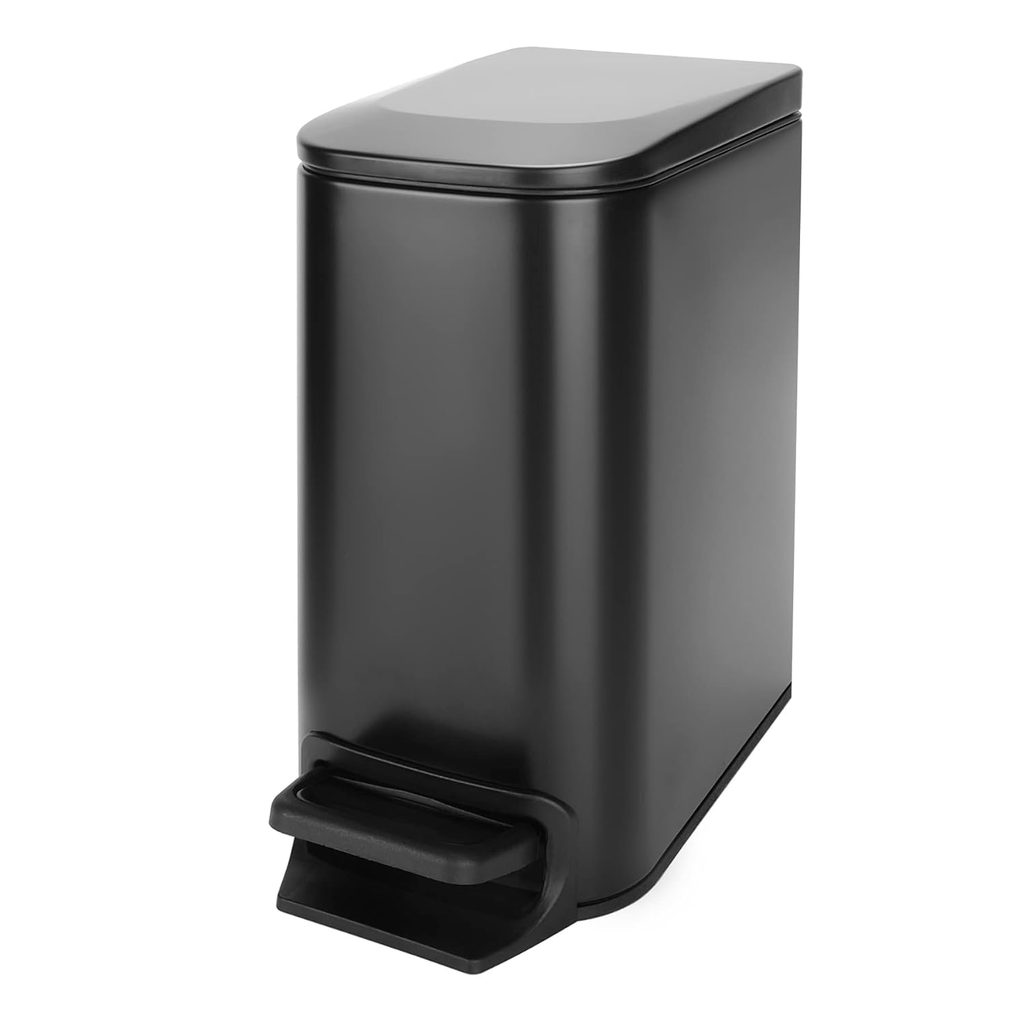
A tall, narrow white trash can with a dark handle or rim appears in the final sequence.
Slim trash cans are especially useful in apartments, bathrooms, laundry rooms, offices, and other spaces where a wide traditional bin consumes too much floor space.
Before buying, measure both the available floor area and the height clearance. It is also worth checking which trash-bag size the bin requires rather than assuming standard kitchen bags will fit.
Which Product Should You Buy First?
For pure versatility, the microfiber flat mop is the strongest place to start. It can potentially handle floors, baseboards, and washable wall surfaces, which gives it more everyday usefulness than a product designed for a single cleaning problem.
If your biggest frustration is floor cleaning, the Vileda mop-and-bucket system may be a better first purchase. For smaller homes, a good supply of cleaning sponges and baking soda can cover plenty of routine jobs without requiring much storage space.
The right choice ultimately depends on which chore you find yourself postponing most often.
Final Thoughts
The best home cleaning finds are not necessarily complicated gadgets. A useful tool often earns its place simply by making an everyday task faster, easier to reach, or less frustrating.
A microfiber mop can help with awkward walls and baseboards, basic pantry products can tackle everyday cleaning jobs, and even something as simple as nail polish can solve an organization problem.
For more Home Hacks tips click here.