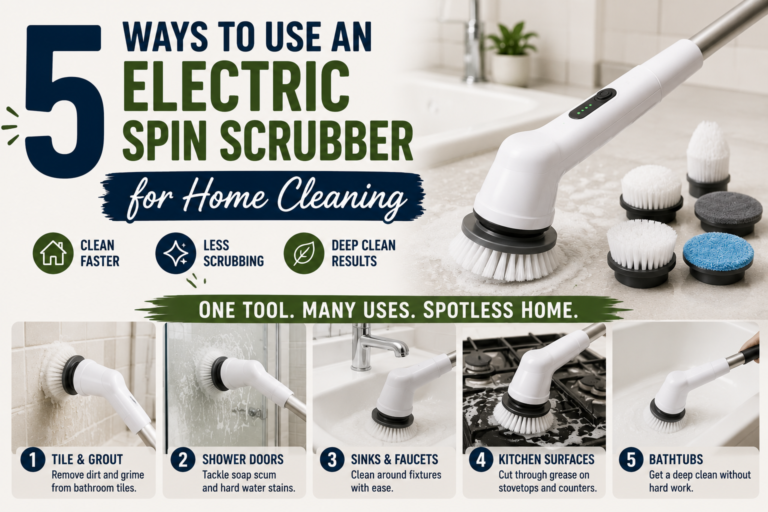

12 Cleaning Tools That Make Everyday Chores Easier — With Amazon Finds
Cleaning gets a lot easier when the tool actually matches the job.
A stiff brush works better than a rag on grout. A slim duster reaches places a vacuum can’t. A microfiber mop makes quick floor touch-ups easier than dragging out a bucket every time.
You don’t need a closet full of gadgets, either.
The best cleaning tools for home are the ones that solve repeat problems: dusty blinds, grimy shower corners, pet hair on furniture, fingerprints on stainless steel, crumbs under appliances, and floors that seem dirty five minutes after you cleaned them.
These ideas work for apartments, rentals, older homes, busy family homes, and anyone who wants a simpler cleaning routine.
Table of Contents
Cleaning Tools for Home That Actually Make Chores Easier

Before buying cleaning products, look at the tasks you repeat most often.
Do you deal with:
- pet hair
- dusty vents
- hard water spots
- bathroom grime
- crumbs in small gaps
- sticky floors
- greasy kitchen surfaces
- fingerprints
- baseboard dust
The right tool should make one of those jobs easier, not just add another item to your closet.
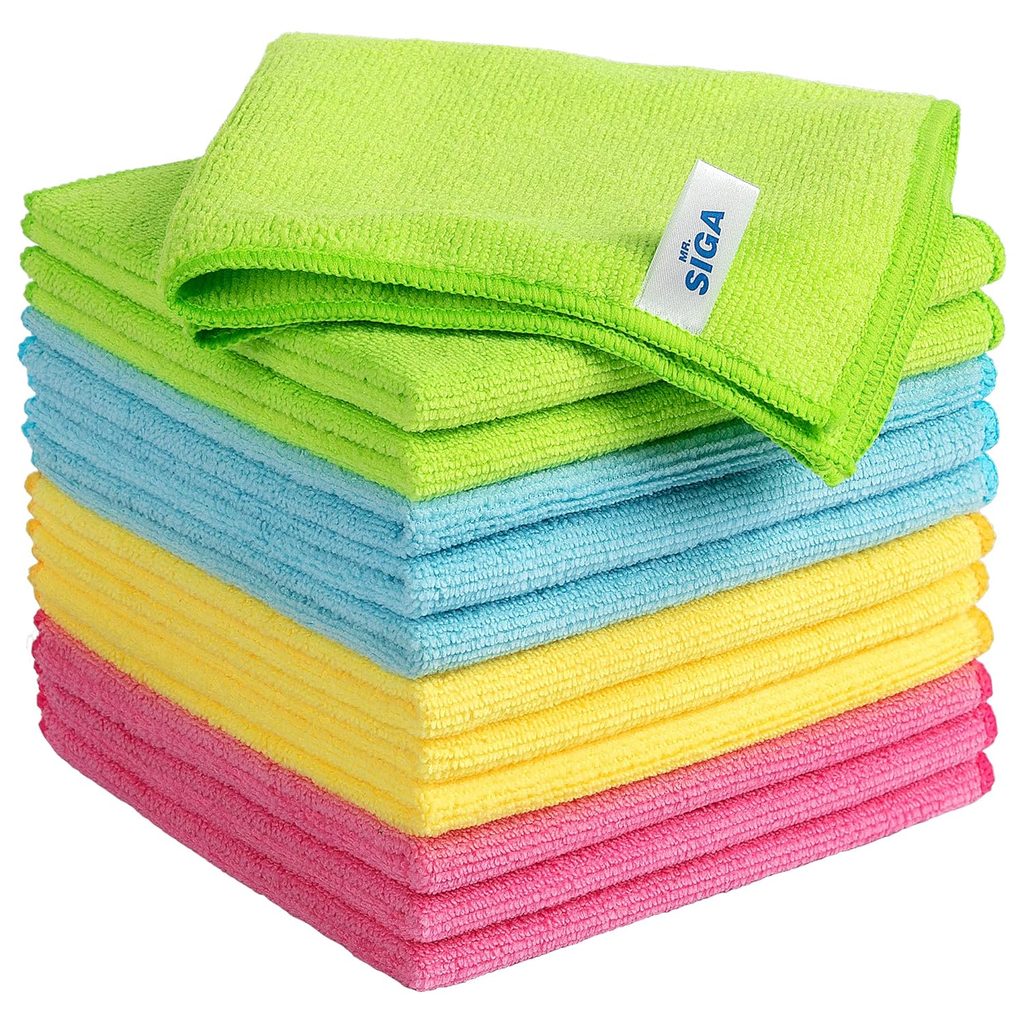
1. Use Microfiber Cloths for Everyday Cleaning
Microfiber cloths are useful because they work on so many surfaces.
Use them for counters, mirrors, furniture, appliances, faucets, cabinet fronts, and quick dusting.
Why it works: microfiber picks up dust and moisture better than many paper towels, and the cloths can be washed and reused.
Amazon find to look for:
Microfiber cleaning cloth set, color-coded microfiber towels, lint-free cleaning cloths
Best for:
Kitchens, bathrooms, glass, dusting, everyday wipe-downs
Small tip:
Use different colors for different rooms so bathroom cloths don’t end up on kitchen counters.
2. Keep a Reusable Spray Mop Handy
A spray mop is useful for quick floor cleaning without hauling out a full mop bucket.
Fill the reservoir with a floor cleaner that is safe for your flooring, then spray and wipe as you go.
Why it works: it makes small messes easier to handle right away.
Amazon find to look for:
Reusable spray mop, microfiber floor mop with refillable bottle, lightweight flat mop

Best for:
Tile, vinyl, laminate, sealed floors
Small tip:
Always use a cleaner approved for your floor type. Too much moisture can damage some wood and laminate floors.
3. Use an Electric Spin Scrubber for Tough Areas
Electric spin scrubbers can save effort on stubborn bathroom and kitchen grime.
Use them on shower walls, tubs, tile, grout, sink edges, and other suitable surfaces.
Why it works: the rotating brush does much of the scrubbing work for you.
Amazon find to look for:
Cordless electric spin scrubber, rechargeable bathroom scrubber, electric cleaning brush with extension handle

Best for:
Showers, tubs, tile, grout, sinks
Small tip:
Use the softest brush head that gets the job done. Aggressive brushes can scratch delicate finishes.
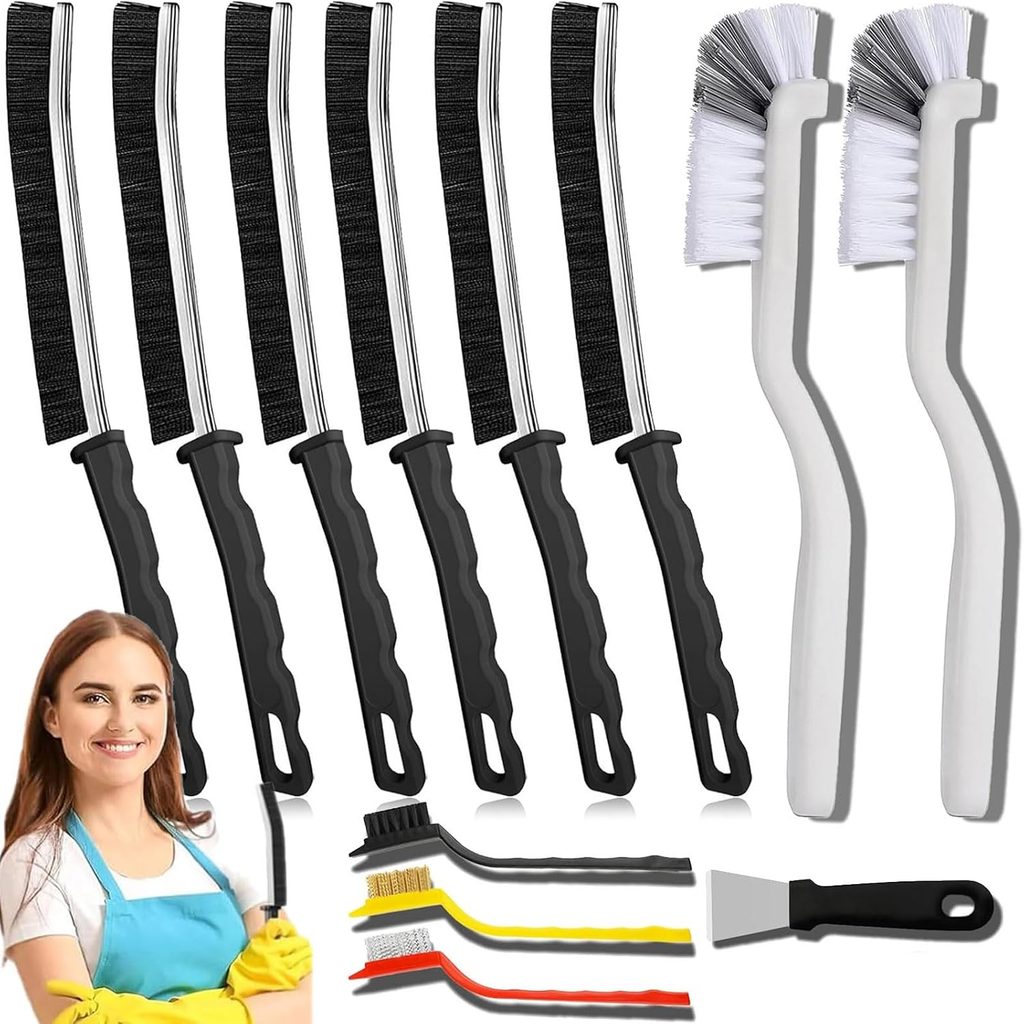
4. Add a Slim Gap-Cleaning Brush
Small gaps collect more dirt than people realize.
Think window tracks, around faucets, behind appliances, along baseboards, and between fixtures.
Why it works: a narrow brush reaches places regular sponges can’t.
Amazon find to look for:
Crevice cleaning brush, hard-bristle gap brush, narrow detail cleaning brush
Best for:
Window tracks, sink edges, appliance gaps, baseboards
Small tip:
Keep one for the kitchen and another for the bathroom.
5. Use a Reusable Lint and Pet Hair Remover
Pet hair sticks to sofas, rugs, fabric chairs, blankets, and car seats.
A reusable hair remover can pick it up without using endless sticky sheets.
Why it works: textured rollers and scraping surfaces lift hair from fabric.
Amazon find to look for:
Reusable pet hair remover, pet hair roller for furniture, carpet hair remover

Best for:
Sofas, beds, rugs, upholstery, car interiors
Small tip:
Test it on delicate fabric first. Some scraping-style tools can be too rough for loose weaves.
6. Try a Blind and Vent Cleaning Tool
Blinds and vents are easy to ignore because they’re awkward to clean.
A multi-slat duster or narrow microfiber tool can clean several surfaces at once.
Why it works: the tool fits around thin slats and narrow openings.
Amazon find to look for:
Blind cleaning tool, vent cleaning brush, microfiber slat duster

Best for:
Window blinds, HVAC vents, fan covers
Small tip:
Vacuum loose dust first if the area is heavily coated.
7. Keep a Squeegee in the Shower
A small shower squeegee can reduce water spots and soap buildup.
Use it on glass doors and tile after showering.
Why it works: removing excess water gives minerals and soap less time to dry on the surface.
Amazon find to look for:
Shower squeegee, silicone bathroom squeegee, glass shower door squeegee

Best for:
Glass showers, tile walls, mirrors
Small tip:
Hang it inside the shower so it’s easy to use every day.
8. Use an Extendable Microfiber Duster
High shelves, ceiling corners, light fixtures, and fan blades collect dust quickly.
An extendable duster lets you reach them without climbing on furniture.
Why it works: the long handle turns awkward high areas into quick jobs.
Amazon find to look for:
Extendable microfiber duster, telescoping cobweb duster, bendable ceiling fan duster

Best for:
Ceiling fans, high shelves, corners, light fixtures
Small tip:
Dust high areas before cleaning floors so anything that falls can be vacuumed afterward.
9. Add a Small Handheld Vacuum
A handheld vacuum is useful for quick messes that don’t justify bringing out the full vacuum.
Use it for crumbs, stairs, couch cushions, car seats, drawers, and window tracks.
Why it works: easy access makes it more likely you’ll clean small messes immediately.
Amazon find to look for:
Cordless handheld vacuum, compact dustbuster-style vacuum, handheld vacuum with crevice tool

Best for:
Crumbs, stairs, furniture, cars, small spaces
Small tip:
Look for washable filters and easy-empty dust cups.
10. Use a Silicone Dish and Sink Brush
A reusable silicone brush can be useful for sinks, dishes, and light scrubbing.
Why it works: silicone dries quickly and doesn’t hold moisture like some traditional sponges.
Amazon find to look for:
Silicone dish brush, silicone sink scrubber, reusable kitchen cleaning brush

Best for:
Sinks, dishes, light kitchen cleaning
Small tip:
Rinse it thoroughly after use and let it dry fully.
11. Try a Grout Brush for Detailed Cleaning
Grout lines are too narrow for many general-purpose scrub brushes.
A stiff, narrow grout brush gets into the line more effectively.
Why it works: the bristles focus pressure exactly where the dirt is.
Amazon find to look for:
Grout cleaning brush, angled tile brush, narrow stiff-bristle scrub brush
Best for:
Bathroom tile, kitchen backsplash, floor grout
Small tip:
Avoid using harsh products that aren’t recommended for your grout or tile surface.
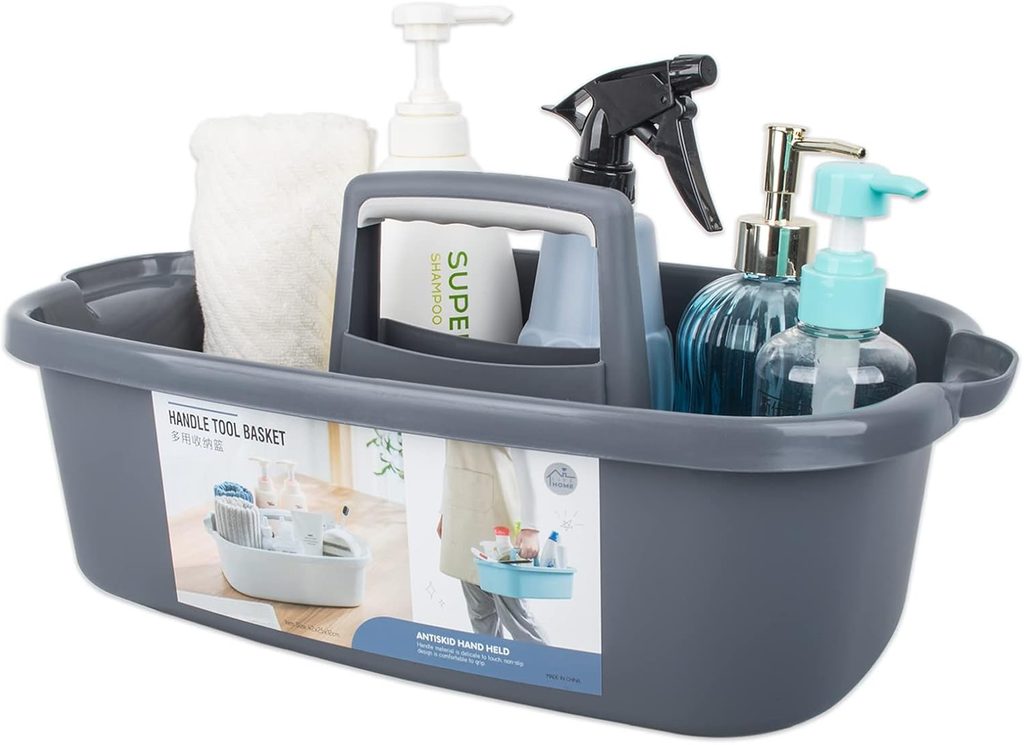
12. Keep a Cleaning Caddy Ready to Go
A cleaning caddy makes the entire routine easier because your supplies stay together.
Keep cloths, gloves, spray bottles, brushes, and small tools inside.
Why it works: you spend less time searching for supplies and more time actually cleaning.
Amazon find to look for:
Portable cleaning caddy, plastic household supply tote, handled cleaning organizer
Best for:
Apartments, multi-level homes, bathrooms, quick cleaning routines
Small tip:
Don’t overload it. Keep only the products you use often.
Common Cleaning Tool Mistakes to Avoid

Buying Gadgets That Solve No Real Problem
A cleaning tool should make a repeated task easier.
If you can’t name the job it will help with, you probably don’t need it.
Using the Wrong Tool on Delicate Surfaces
Stiff brushes, abrasive pads, scrapers, and strong scrubbers can damage finishes.
Always check the surface first.
Keeping Dirty Tools Wet
Damp cloths, brushes, and mop pads can smell and grow bacteria.
Wash them and let them dry completely.
Using One Cloth for Everything
It’s better to separate bathroom, kitchen, and general dusting cloths.
Color coding makes this easy.
Forgetting to Clean the Cleaning Tools
Vacuum filters, mop pads, brushes, squeegees, and dusters all need maintenance.
Dirty tools don’t clean well.
Mixing Cleaning Chemicals
Never mix cleaning chemicals unless the manufacturer specifically says it’s safe.
Bleach and ammonia, for example, should never be combined.
Quick Cleaning Tool Checklist
Before buying anything:
- Identify the cleaning problem first
- Check whether the tool is safe for the surface
- Choose reusable options where practical
- Check replacement pad or brush availability
- Look for washable parts
- Avoid overly abrasive tools
- Store wet tools where they can dry
- Keep bathroom and kitchen cloths separate
- Choose lightweight tools for frequent use
- Check battery life for cordless products
- Avoid duplicate tools
- Read manufacturer cleaning instructions
Conclusion
The best cleaning tools for home don’t make cleaning complicated.
They make common chores easier.
A good microfiber cloth, handheld vacuum, shower squeegee, detail brush, or spray mop can save time because the tool fits the job.
Start with the chores you dislike most, then add only the tools that solve those specific problems.
For more Cleaning hacks read here.