Peel and Stick Bathroom Makeover: 2 Simple Products That Transform Walls and Floors
A full bathroom renovation can involve demolition, tile setting, grout, plumbing work, and a budget that grows surprisingly quickly. But if the surfaces are still functional and the main problem is simply that the room looks dated, a peel and stick bathroom makeover can offer a much more approachable alternative.
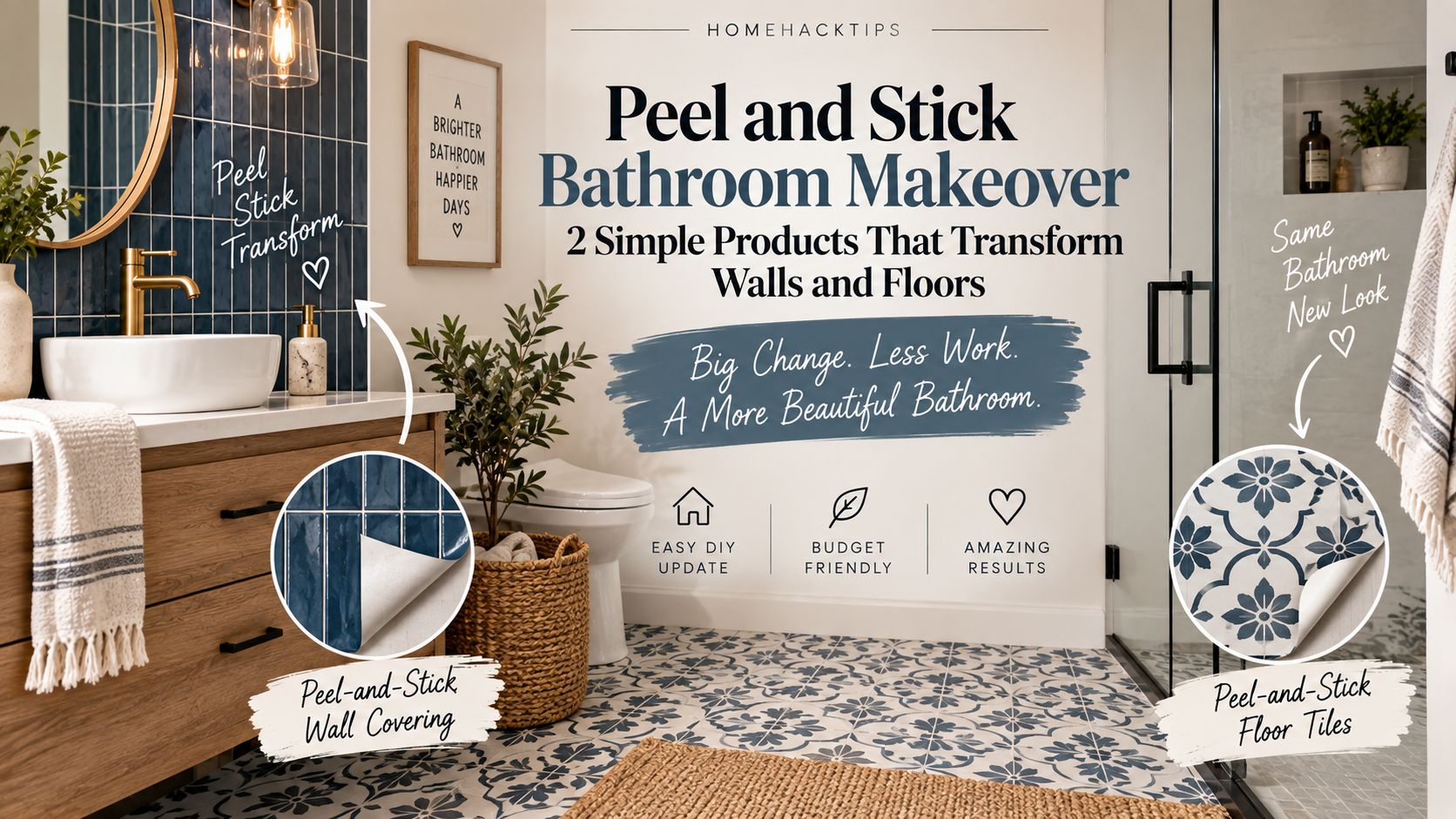
Two products can make an especially noticeable difference: decorative peel-and-stick wall covering and patterned peel-and-stick floor tiles.
Instead of replacing the underlying surfaces, these products create a new decorative layer over what is already there. That can make them appealing to DIY beginners, homeowners working with a limited renovation budget, and anyone who wants to experiment with a bolder bathroom style without tackling conventional ceramic tile installation.
There are still some important things to check before ordering. Surface compatibility, moisture exposure, adhesive requirements, and the manufacturer’s installation instructions all matter—especially in a bathroom.
Here are the two products worth considering.
Blue Peel-and-Stick Faux Tile Wall Covering
A dark blue tiled accent wall can dramatically change the feel of a plain bathroom, but installing real decorative tile usually means dealing with adhesive, spacers, tile cutting, grout, and curing time.
Peel-and-stick faux tile sheets offer another approach.
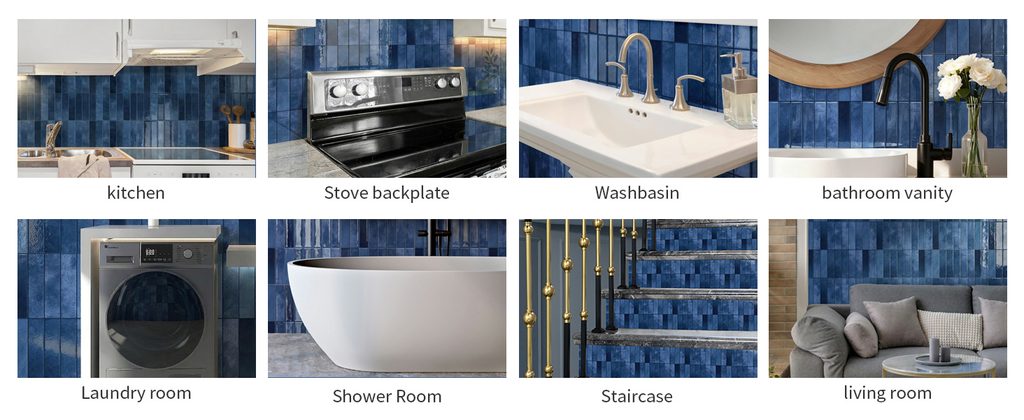
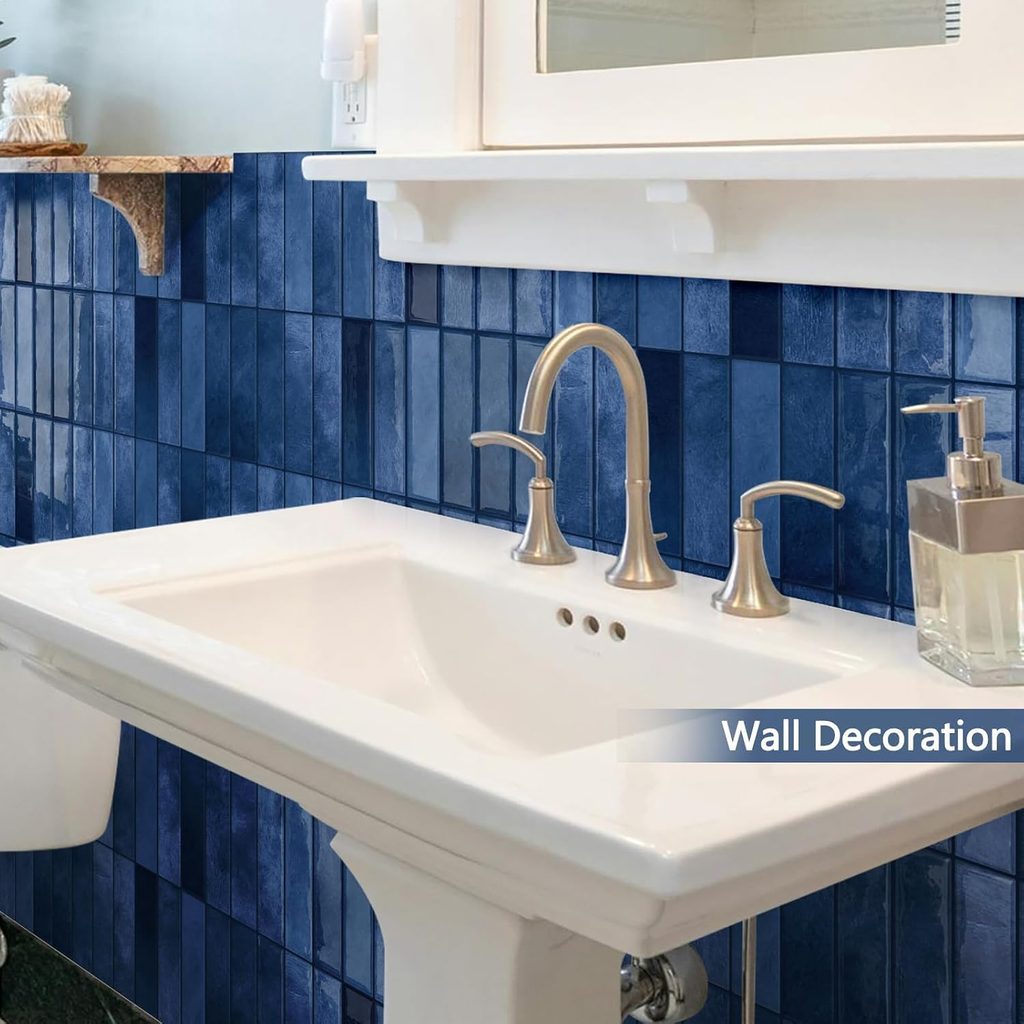
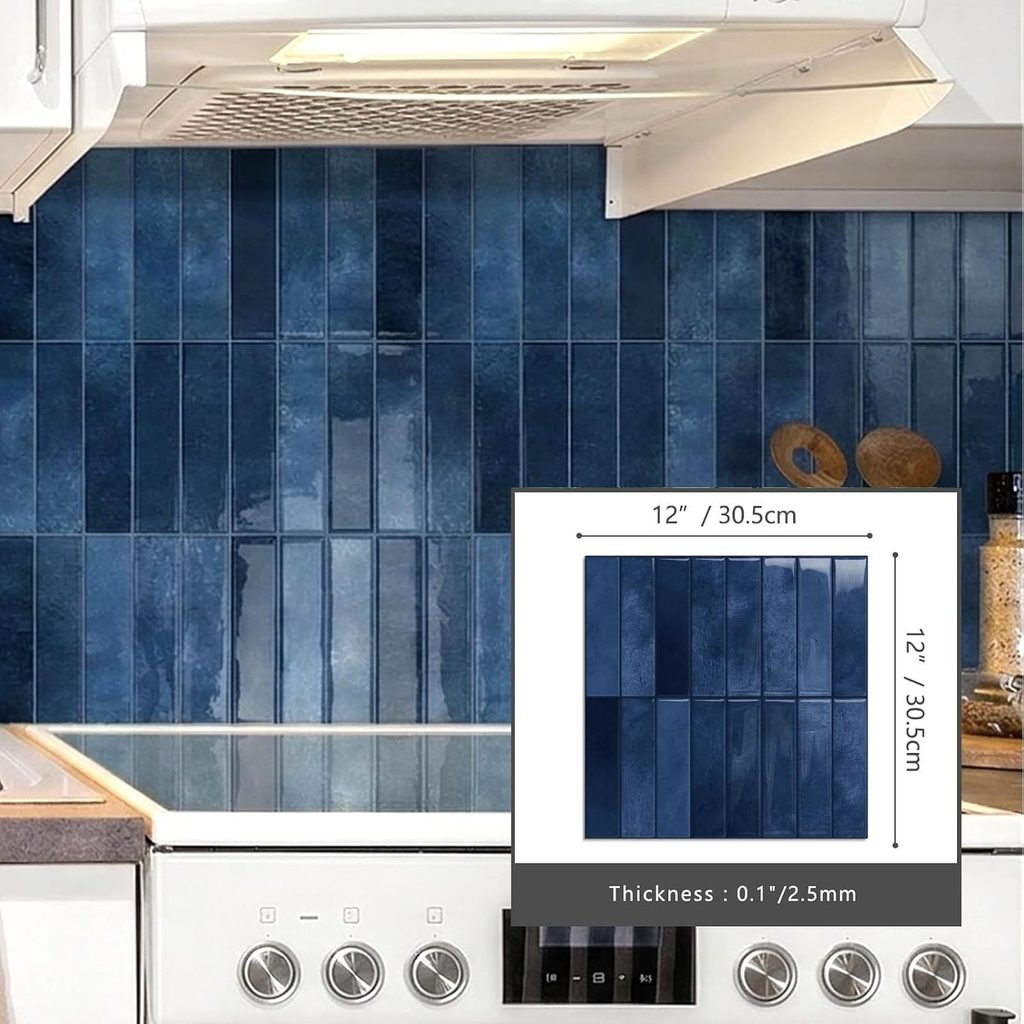
These flexible decorative sheets create the appearance of rows of narrow blue tiles while allowing the material to be positioned directly over an existing suitable surface. The blue color has enough visual weight to make a strong accent, particularly when paired with white bathroom fixtures and neutral surrounding surfaces.
What It Does
The wall covering is designed to give a plain wall a tiled appearance without installing individual ceramic tiles.
Because the pattern is supplied on larger sheets rather than as separate pieces, it can cover a relatively broad area while maintaining a repeated tile look.
The material can also be trimmed where necessary. That is particularly useful in bathrooms, where wall surfaces are rarely uninterrupted. Mirrors, corners, trim, plumbing fixtures, outlets, and switches often require custom cuts.
Who It Is Best For
This type of wall covering makes the most sense for people who want a high-impact cosmetic change without committing to a conventional tiled wall.
It may be worth considering for:
- DIY beginners who are uncomfortable working with mortar and grout
- Homeowners giving an older bathroom a visual refresh
- Apartment dwellers looking for an easier decorative update, provided the exact product is approved for their situation
- Anyone who wants to introduce color without replacing bathroom fixtures
- Small bathrooms where one bold wall can act as the main design feature
Do not automatically assume that every peel-and-stick wall product is removable or renter-safe. Adhesives can react differently to paint, drywall, existing tile, and other surfaces.
Where It Works Best
A decorative wall covering works particularly well as an accent behind a vanity, toilet, shelving area, or other focal point where a strong color or pattern will be visible.
Before installation, the underlying surface generally needs to be clean, dry, and appropriate for adhesive products. Follow the instructions supplied with the exact wall covering rather than assuming that it will adhere properly to every type of wall.
Bathrooms also introduce humidity and occasional water exposure, so confirm that the manufacturer’s intended-use instructions match the location where you plan to install it.
Practical Benefits
One of the biggest advantages of a peel-and-stick wall treatment is that you can get the visual character of a tiled accent without performing a complete wall renovation.
It is also easier to work around unusual shapes than many rigid materials because the sheets can be measured and trimmed before installation.
That can make the product useful in bathrooms with narrow sections of wall, corners, door trim, or electrical plates.
A patterned sheet also takes care of much of the visual design work for you. Instead of choosing tile, grout color, spacing, and layout individually, the decorative pattern is already built into the product.
Things to Consider Before Buying
Measure the entire area you plan to cover before ordering. Remember that cuts, pattern alignment, and mistakes can increase the amount of material required.
You should also check:
- Approved installation surfaces
- Whether the product is suitable for humid bathrooms
- Manufacturer cleaning instructions
- Whether seams between sheets are noticeable
- Whether removal could damage the existing finish
- Required surface preparation
- Whether additional adhesive is permitted or recommended
If you need to install the material around a switch or electrical outlet, turn off power at the breaker before removing electrical cover plates and follow appropriate electrical safety practices.
For the cleanest result, accurate measuring and careful cuts matter just as much as the adhesive itself.
Blue-and-White Patterned Peel-and-Stick Floor Tiles
Changing the floor can have an even bigger visual effect because it alters one of the largest uninterrupted surfaces in the bathroom.
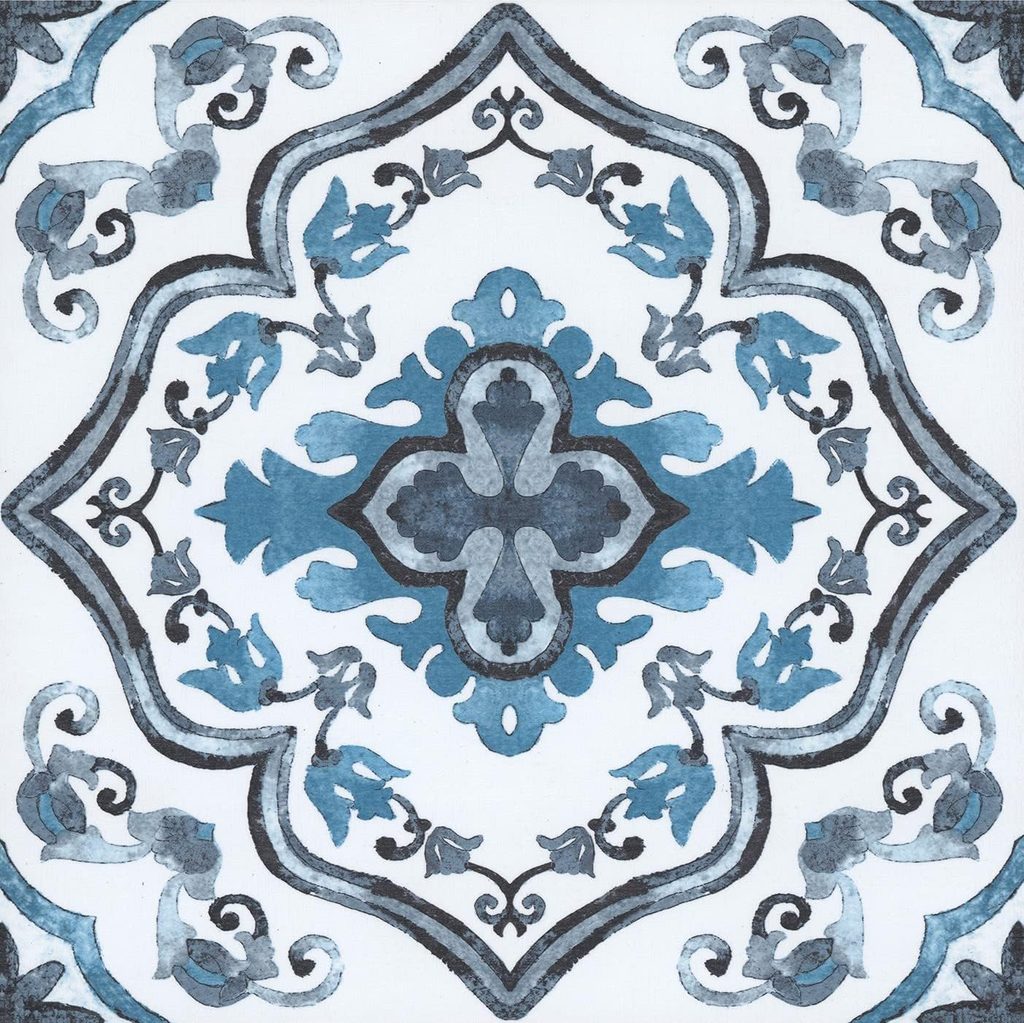
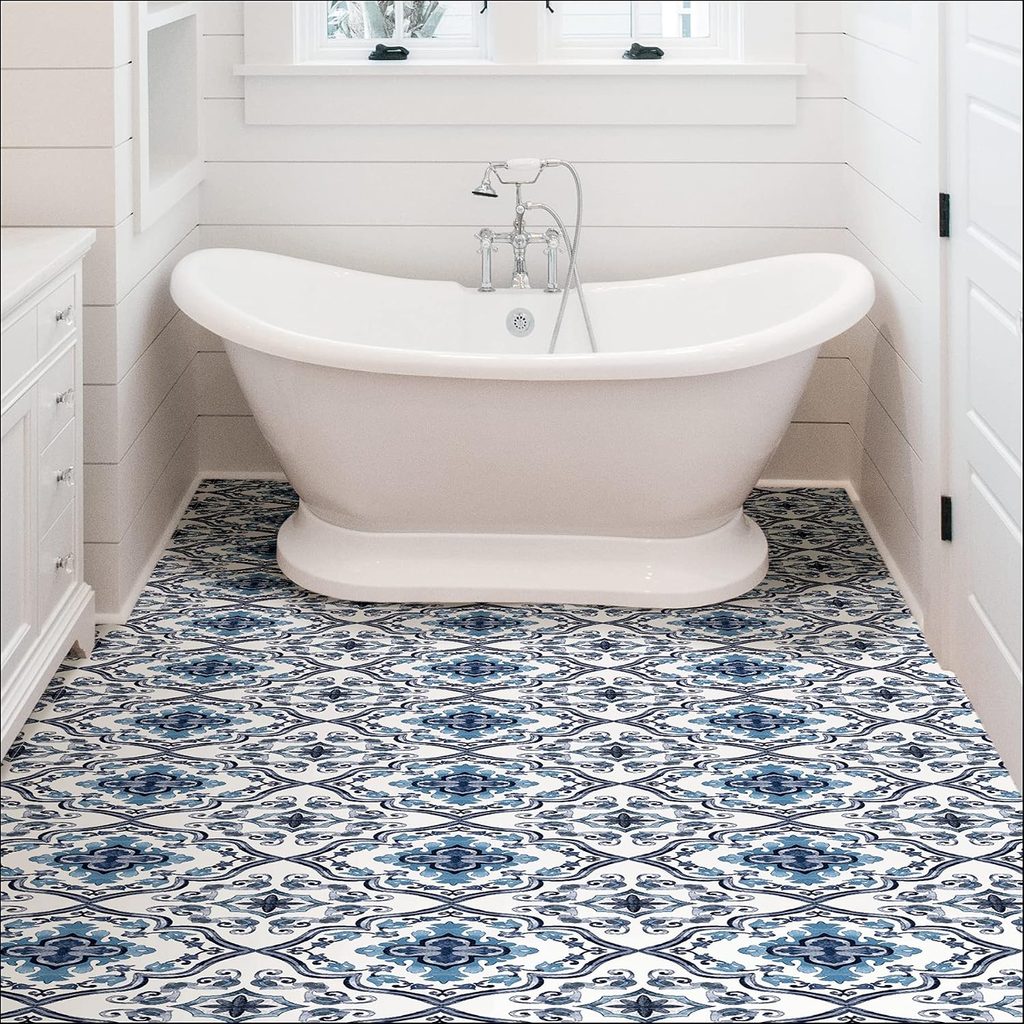
These decorative square peel-and-stick floor tiles use a blue-and-white ornamental pattern that resembles the look of traditional patterned tile. When repeated across a floor, the individual designs combine into a much more elaborate overall pattern.
For a room dominated by neutral fixtures, that creates an immediate focal point.
What They Do
Peel-and-stick floor tiles are intended to create a new decorative surface over a suitable existing floor without installing conventional ceramic or porcelain tile.
Individual squares are positioned beside one another across the room. Tiles along walls, cabinets, doorways, and bathroom fixtures can be trimmed to fit.
Who They Are Best For
Patterned adhesive floor tiles may appeal to someone who wants a larger visual transformation but is not ready to replace the existing floor.
They can be particularly attractive for:
- Small bathroom refreshes
- Budget-conscious DIY projects
- Powder rooms
- Older bathrooms with structurally sound but unattractive flooring
- Homeowners who enjoy bold Mediterranean, vintage, or decorative tile patterns
- DIYers who want to avoid conventional tile-setting work
As with any adhesive flooring, the condition of the existing floor matters. Peel-and-stick tile cannot compensate for every damaged, unstable, uneven, or contaminated substrate.
Where They Work Best
The strong blue-and-white pattern makes these tiles particularly effective in a small bathroom where the floor can become an intentional part of the design.
They also coordinate naturally with navy or blue accents on walls, vanities, rugs, towels, and accessories.
A small space can sometimes be a practical place for this type of project because there is less floor area to cover, although bathrooms also have challenging obstacles. The toilet base, vanity, walls, thresholds, and corners all require careful fitting.
Before ordering, check whether the exact tile manufacturer lists your existing floor type as an acceptable substrate.
Practical Benefits
The biggest practical advantage is the ability to update the appearance of an existing floor without a traditional tile installation.
Individual square tiles can also simplify layout compared with working with one large sheet of flooring. If a room has several edges or obstacles, each section can be measured and trimmed separately.
The repeating pattern is another useful design feature. It creates a detailed finished appearance without requiring you to arrange multiple colors or shapes manually.
And because the floor already makes such a large visual contribution to a bathroom, changing it can make older fixtures and cabinetry feel more intentional without replacing them.
Things to Consider Before Buying
Preparation is particularly important with adhesive flooring.
Dirt, dust, moisture, surface texture, loose material, or an incompatible substrate can interfere with adhesion. Always follow the manufacturer’s preparation and installation instructions for the specific tiles you purchase.
You should also verify:
- Which existing floor surfaces are approved
- Bathroom and moisture suitability
- Cleaning requirements
- Recommended room temperature during installation
- Whether seams require any special treatment
- Slip characteristics
- Removal instructions
- Whether the flooring can be installed around or beneath specific bathroom fixtures
Layout also deserves some attention before the backing is removed. Dry-positioning several tiles can help you understand how the pattern will meet walls, cabinets, and fixtures and may prevent ending up with awkwardly narrow pieces along a highly visible edge.
When trimming tiles, use a suitable cutting surface and keep hands clear of the cutting path.
Which Product Should You Buy First?
If you want to start with only one part of the project, the peel-and-stick wall covering is the more versatile first update for many bathrooms.
An accent wall can create a substantial visual change without becoming a walking surface, and it gives you an opportunity to see how you like the blue tile look before carrying a similar color palette onto the floor.
The patterned peel-and-stick floor tiles make sense when the existing floor is the part of the bathroom you most want to disguise or update. They create a stronger room-wide transformation, but flooring also has to deal with foot traffic, cleaning, moisture, and more complicated cuts around fixtures.
If both surfaces need attention, the two products can work together particularly well because the dark blue wall and blue-and-white floor share the same general color family without using the exact same pattern.
Whichever you start with, verify that the exact Amazon product is designed for your surface and bathroom conditions before purchasing.
Final Thoughts
A peel and stick bathroom makeover can be a practical way to make a dated room feel more intentional without immediately committing to a full renovation.
The blue faux tile wall covering brings color and depth to vertical surfaces, while the patterned peel-and-stick floor tiles add detail underfoot. Together, they show how much impact surface finishes can have even when the toilet, vanity, and other major fixtures stay in place.
The key is to treat peel-and-stick products as real building finishes rather than oversized stickers. Measure carefully, prepare the surface properly, make clean cuts, and follow the manufacturer’s instructions for adhesion, moisture exposure, and maintenance.
Done thoughtfully, a couple of well-chosen surface updates can give a small bathroom an entirely different personality without requiring traditional tile work.
Read more Renter-Friendly ideas here.